
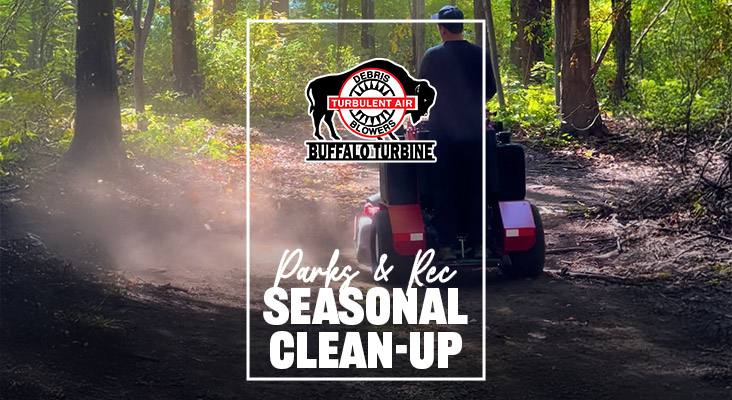
Municipal Debris Blowers for Safer Trail & Turf Seasons
Spring Grit. Fall Leaves. One Powerful Solution.
Spring and fall bring two of the biggest cleanup challenges for municipal parks and recreation crews. Spring means clearing winter sand, gravel, dirt, and organic buildup. Fall brings leaves, grass clippings, storm debris, and other material that can quickly cover trails and public spaces. In both seasons, efficient debris removal helps crews maintain safe, clean, and accessible parks.
Municipal debris blowers and trail maintenance equipment help park crews cover more ground, protect paved surfaces and turf areas, and keep public spaces ready for changing seasonal conditions.
- Why turbine force air works for seasonal cleanup
- How proactive clearing supports accessible public spaces
- How to choose the right debris blower for municipal trails and parks
- Which Buffalo Turbine models fit different crew structures
↓ See how municipalities can prepare for more efficient spring and fall cleanup.
Why Turbine Force Air Works for Seasonal Cleanup
Seasonal cleanup can involve far more than a quick pass with handheld equipment. In spring, crews may face winter sand, gravel, dirt, and compacted organic material along paved paths, trailheads, parking areas, and turf. In fall, leaves and seasonal debris can accumulate quickly across trails, athletic fields, parks, and other public grounds.
Buffalo Turbine is built around legendary turbine force air power in jet formation, designed to move debris farther, faster, and more efficiently for large-scale maintenance. Concentrated, directional airflow gives municipal crews the ability to clear large areas and move material where they want it to go.
Buffalo Turbine has been building and refining turbine technology since 1945, with equipment used by national, state, and municipal parks and backed by a 10-year warranty.
Why Seasonal Trail & Turf Debris Management Matters
In Parks & Recreation, February 2026, “The Provo River Trail” (pp. 48–49) , strategic operations and rigorous seasonal maintenance are highlighted as key to safe, welcoming, and long-lasting trail systems. That includes routine inspections, debris management, and year-round stewardship to keep multiuse corridors clear and comfortable.
Meanwhile, Parks & Recreation, February 2026, “Trails and Technology” (pp. 50–51) reinforces that accessibility and user experience depend on consistent upkeep, supporting safe passage for users and helping parks provide inclusive outdoor access.
Each season creates different maintenance demands. Spring cleanup removes sand, gravel, dirt, and organic material left behind by winter weather. Fall cleanup focuses heavily on leaves, grass clippings, storm debris, and organic buildup before winter arrives. Proactive debris management throughout both seasons helps maintain trail conditions, drainage, visibility, and the overall appearance of public spaces.
The Results: Safer Trails, Protected Infrastructure, Greater Productivity
Maintain Accessible Public Spaces
Keep trails, walkways, and public areas clear of debris that can narrow corridors or create hazards.
Protect Public Investment
Help keep drainage areas clear and reduce debris buildup on paved surfaces, turf, and other maintained areas.
Increase Crew Productivity
Cover more ground in less time with legendary turbine force air power.
Clearing the Way Means Protecting People
Trail safety extends beyond pavement conditions. In our article “Clearing the Way: Controlling Ticks Starts with Buffalo Turbine” , we highlight how leaf litter and organic buildup create environments where ticks thrive.
How Proactive Debris Management Supports Safer Trails:
- Clears leaf litter along trail shoulders and edges
- Reduces moisture-retaining organic buildup
- Improves visibility and defined path boundaries
- Supports cleaner, better-maintained public spaces
Download the full Parks & Recreation article in PDF format for municipal reference and safety review.
Download the Tick Safety Article (PDF)How to Choose the Right Debris Blower for Municipal Trails & Parks
Selecting the right debris blower for municipal trails and park maintenance requires balancing surface type, seasonal debris volume, coverage area, and crew deployment. Paved multiuse paths, athletic turf, parking areas, trails, and mixed-surface park systems can all present different cleanup challenges throughout the year.
Key Factors When Choosing Municipal Park Blower Equipment:
- Surface Type: Paved bike paths, trails, turf fields, parking areas, or multi-surface systems
- Seasonal Debris: Winter sand and grit, spring cleanup material, leaves, grass clippings, or storm debris
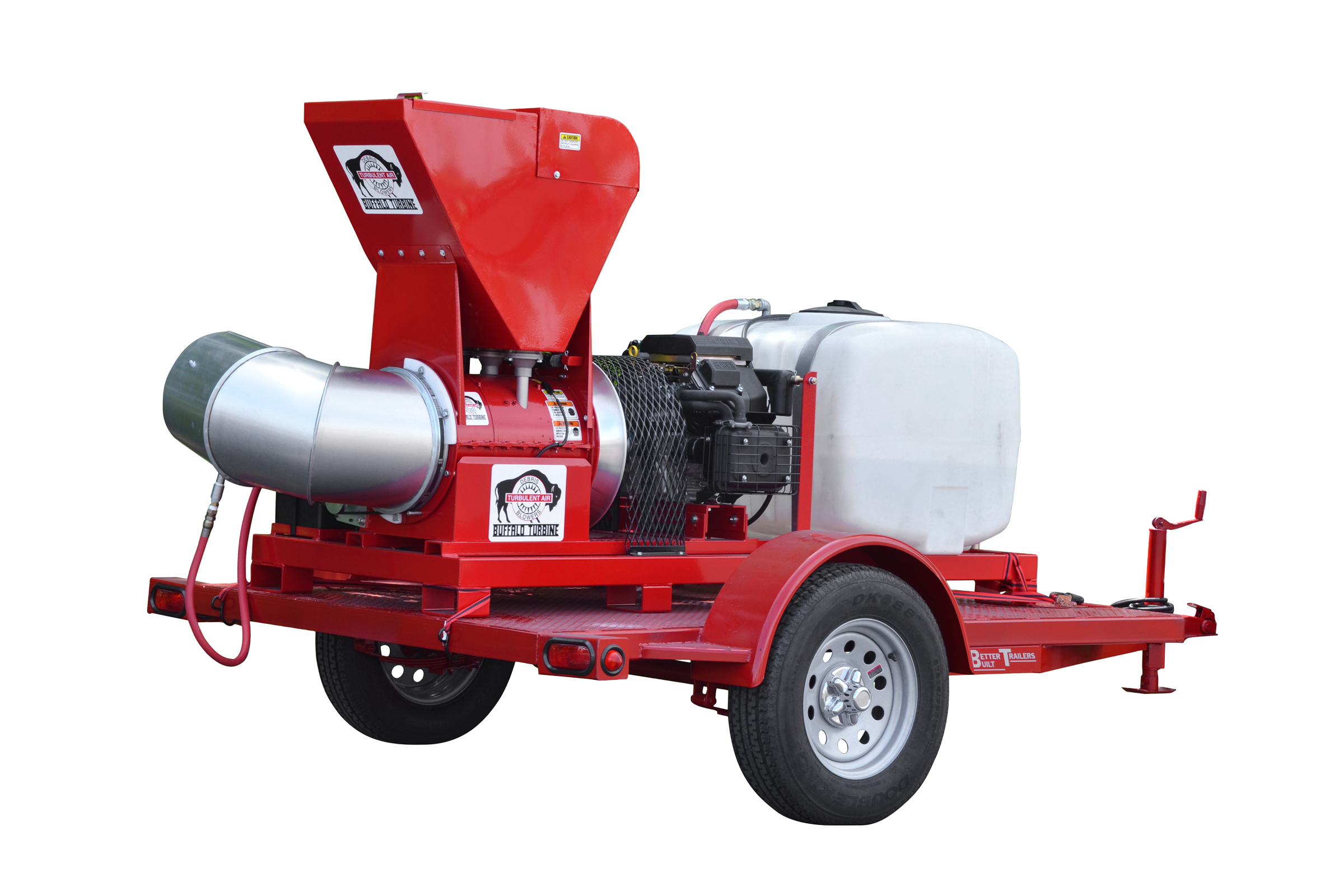
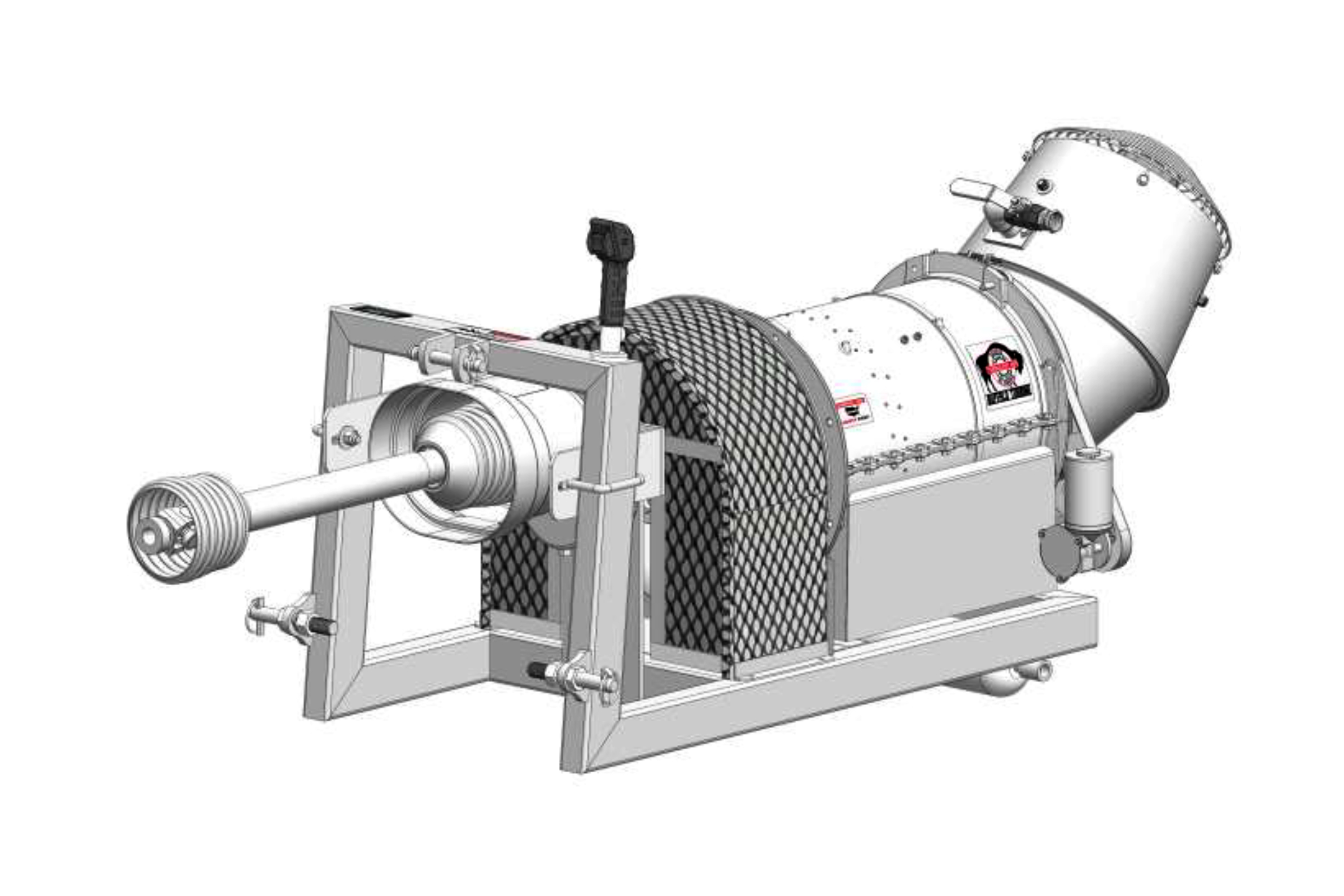
- Equipment Configuration: Tow-behind debris blowers, stand-on units, or PTO-driven tractor integration
- Coverage Area: Neighborhood parks versus large properties and multi-mile trail networks
- Crew Structure: Mobile teams covering multiple parks or centralized maintenance operations
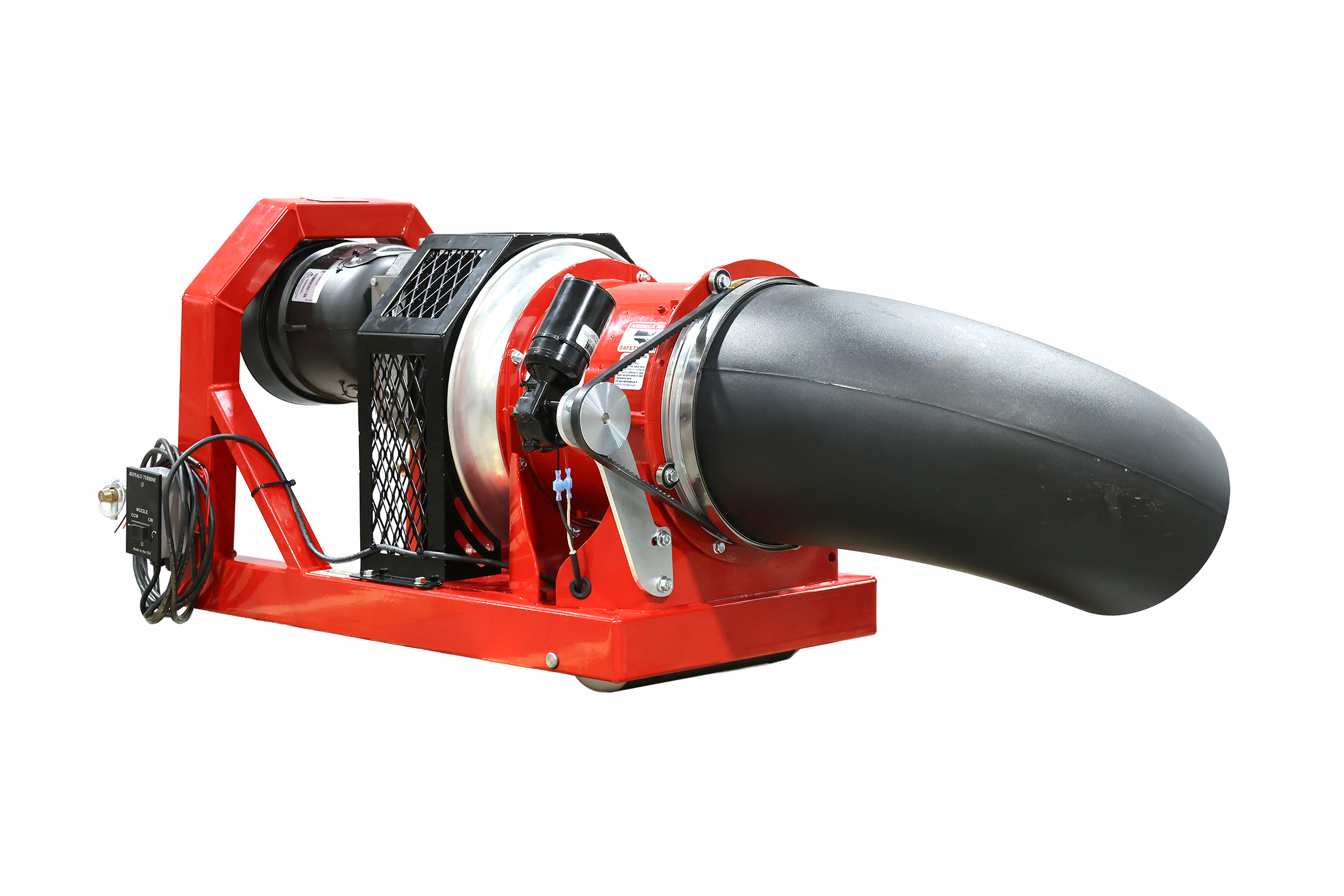
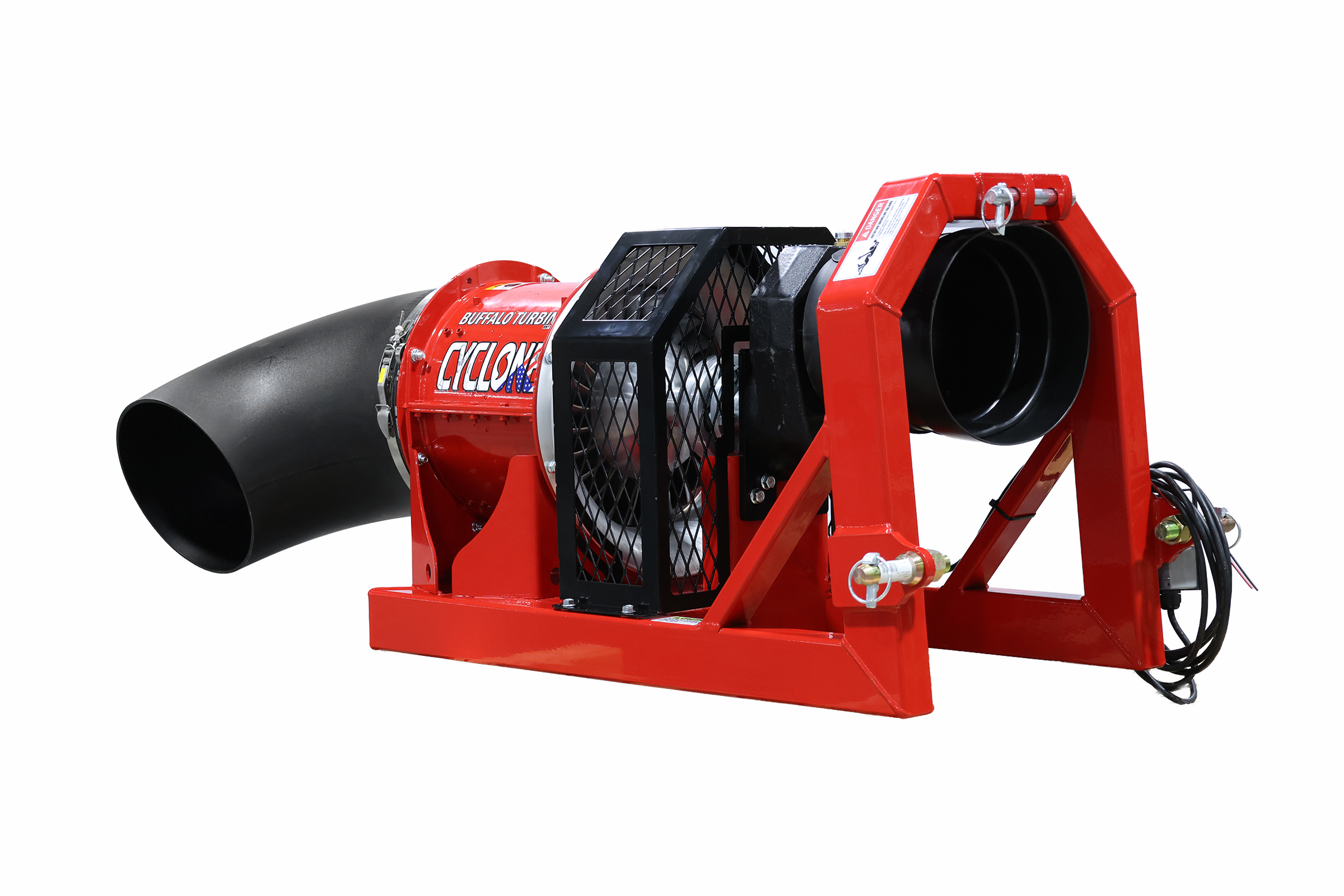
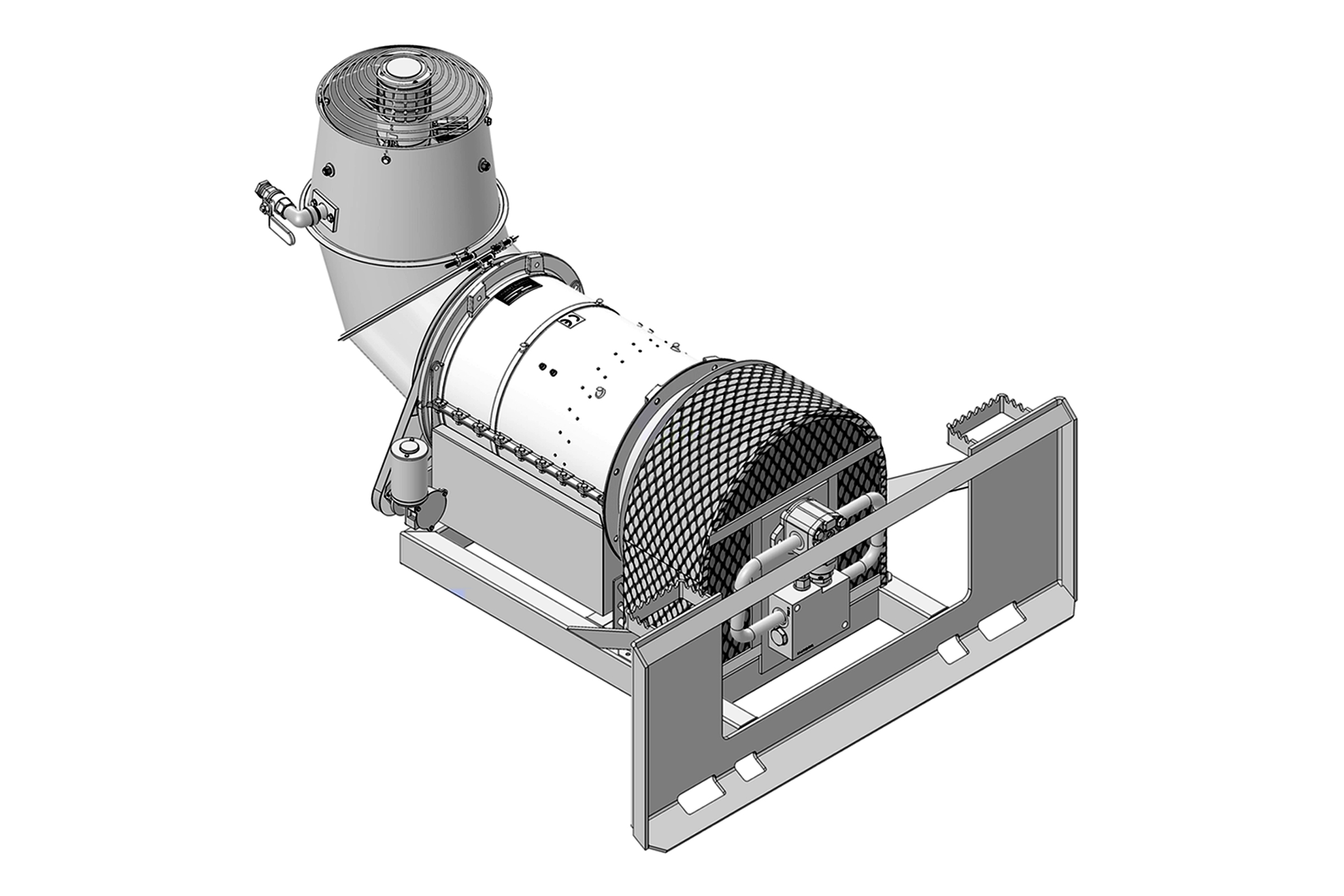
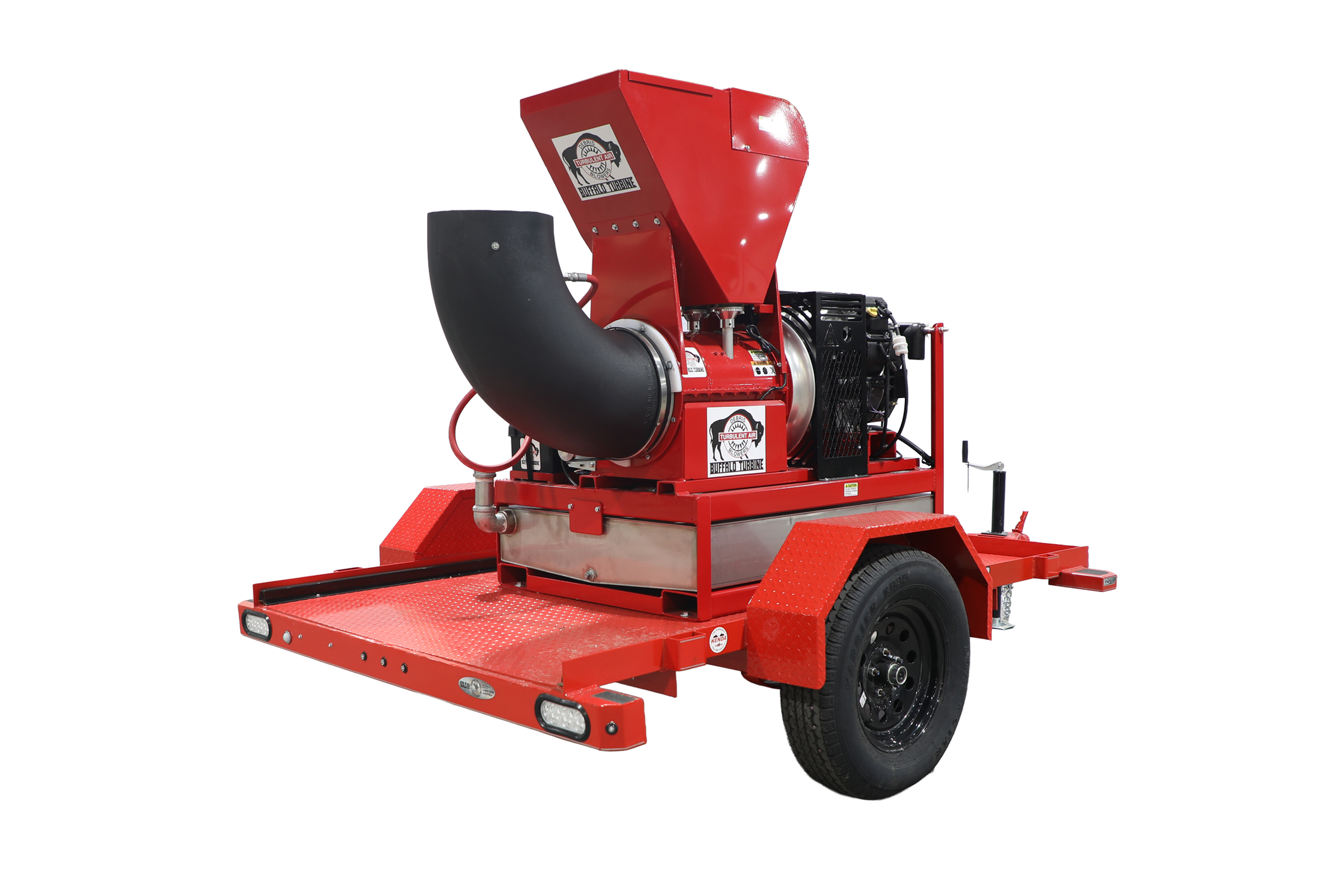
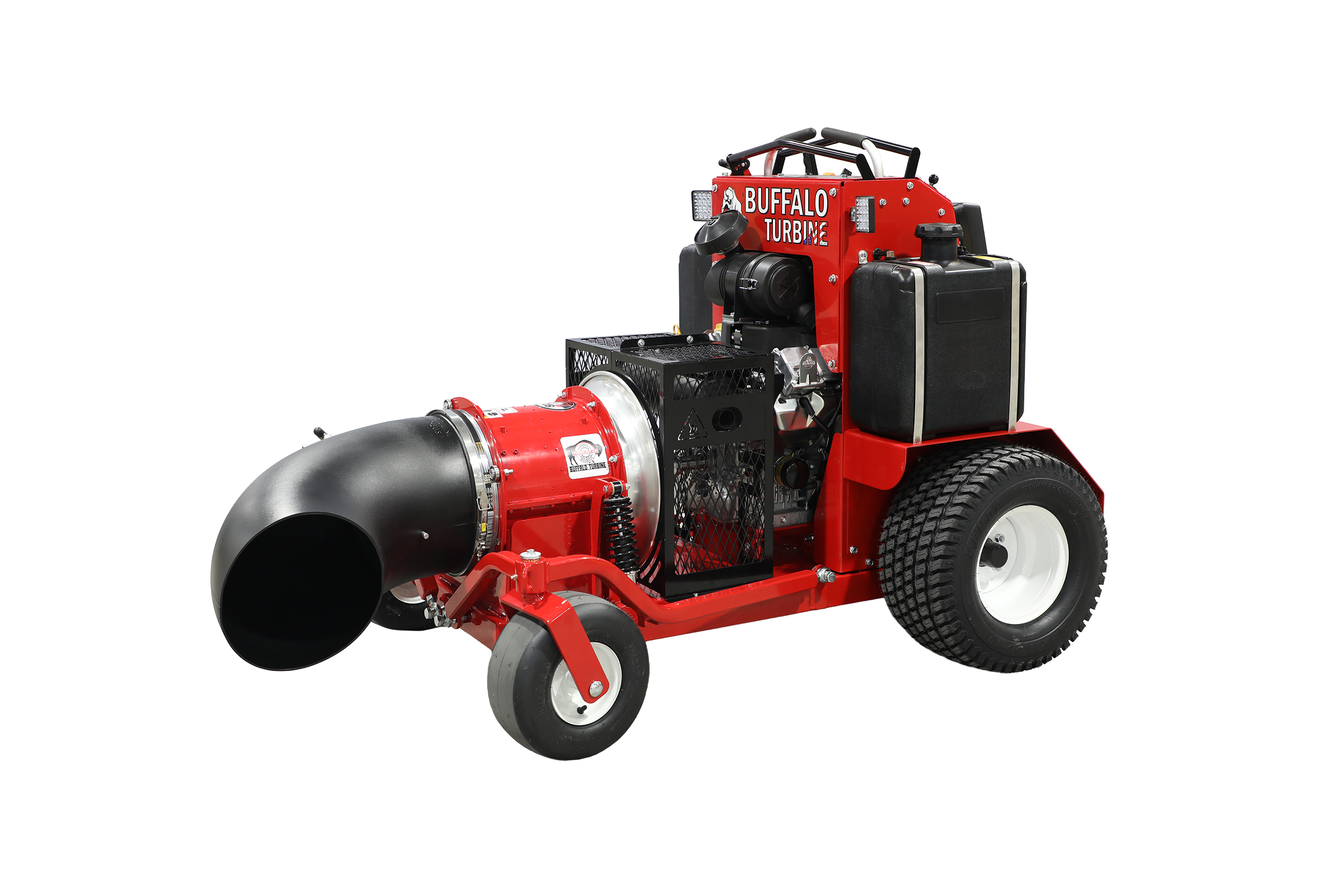
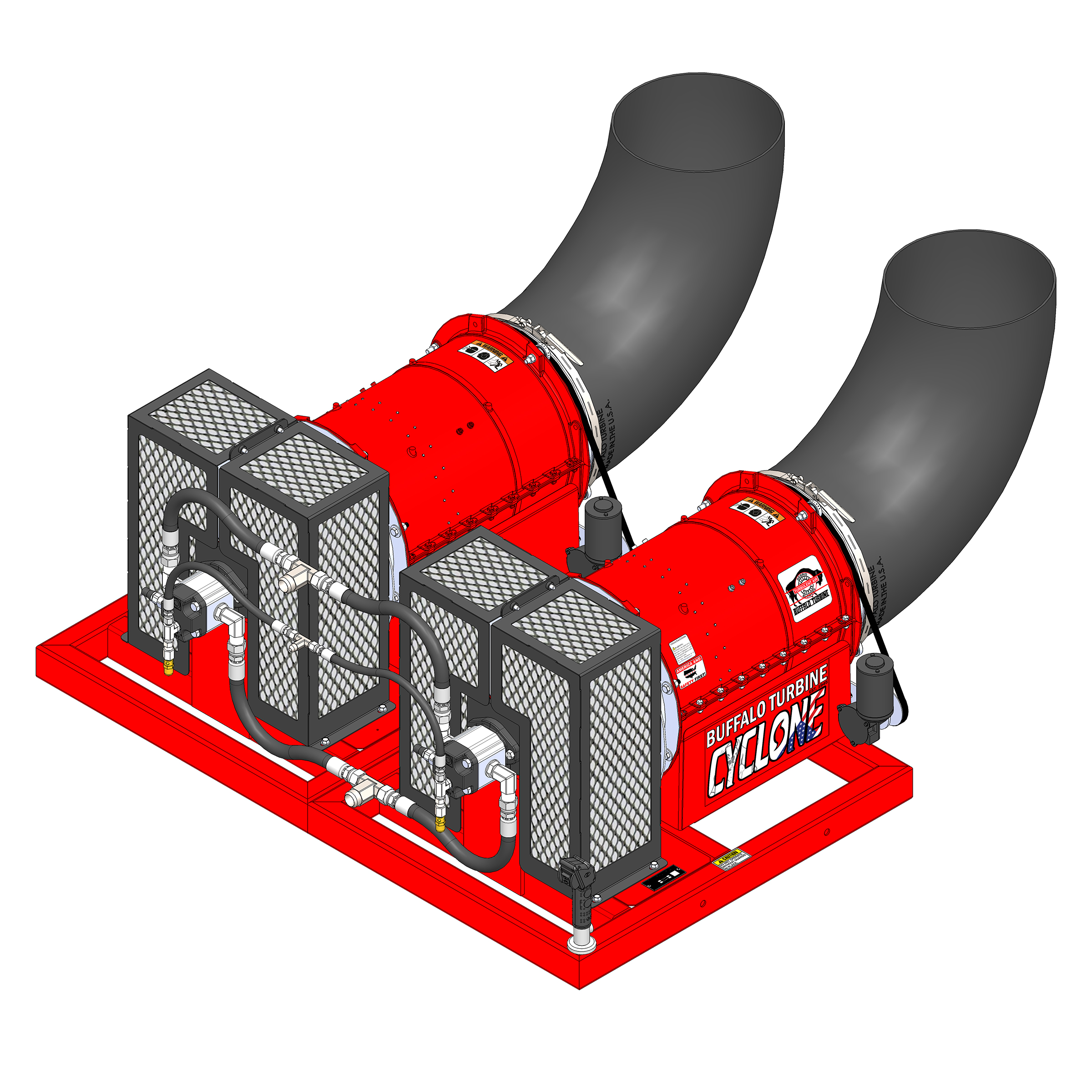
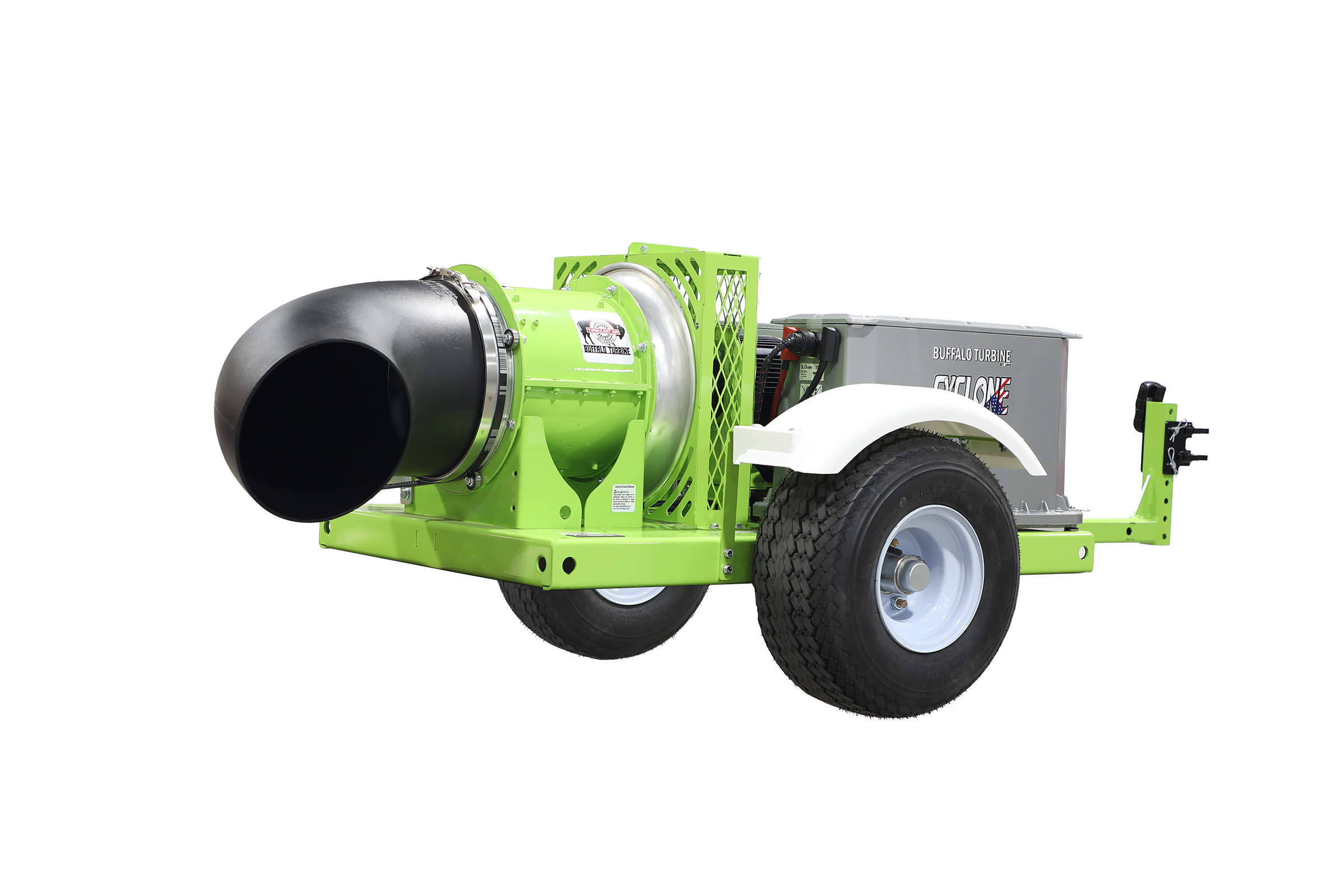
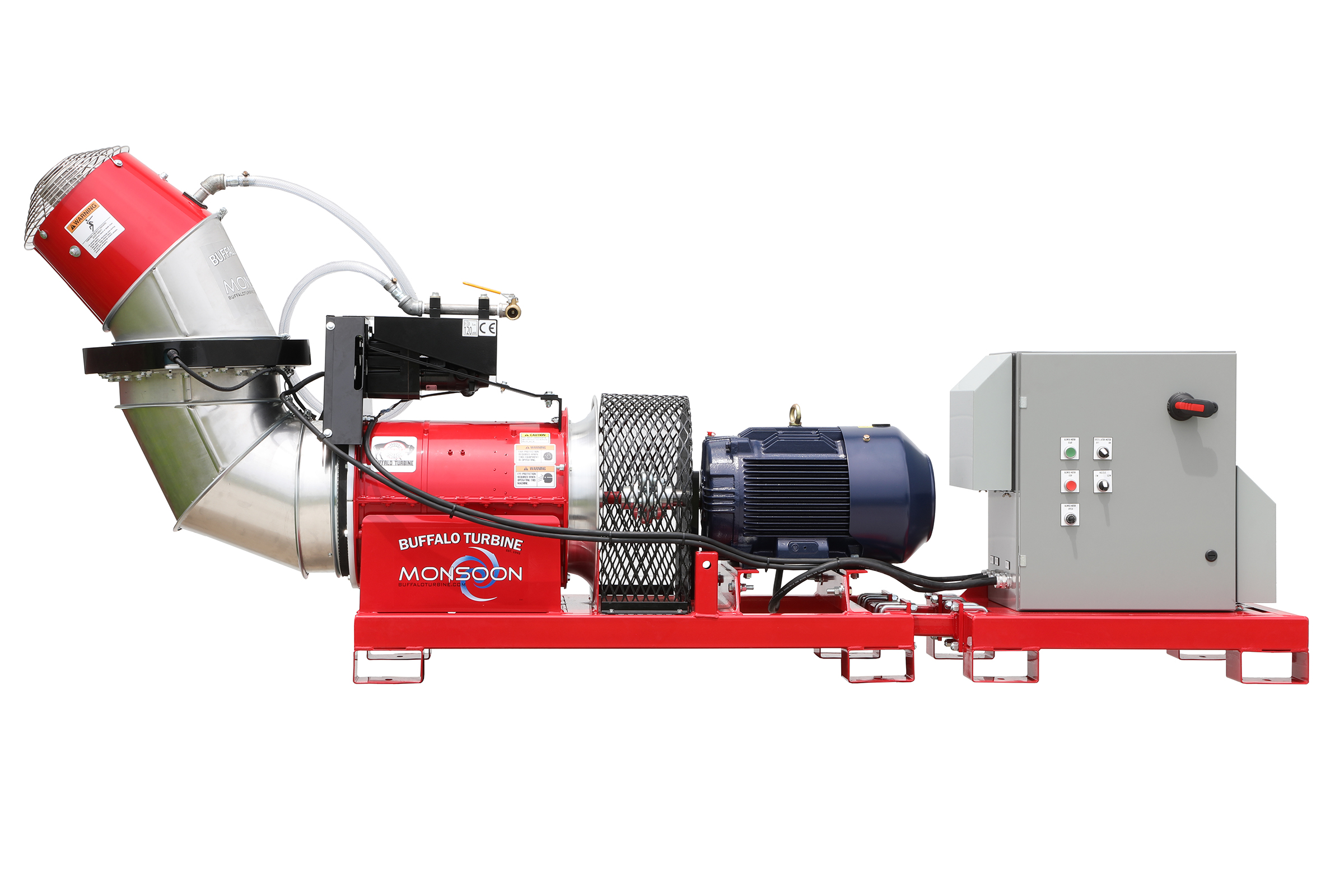
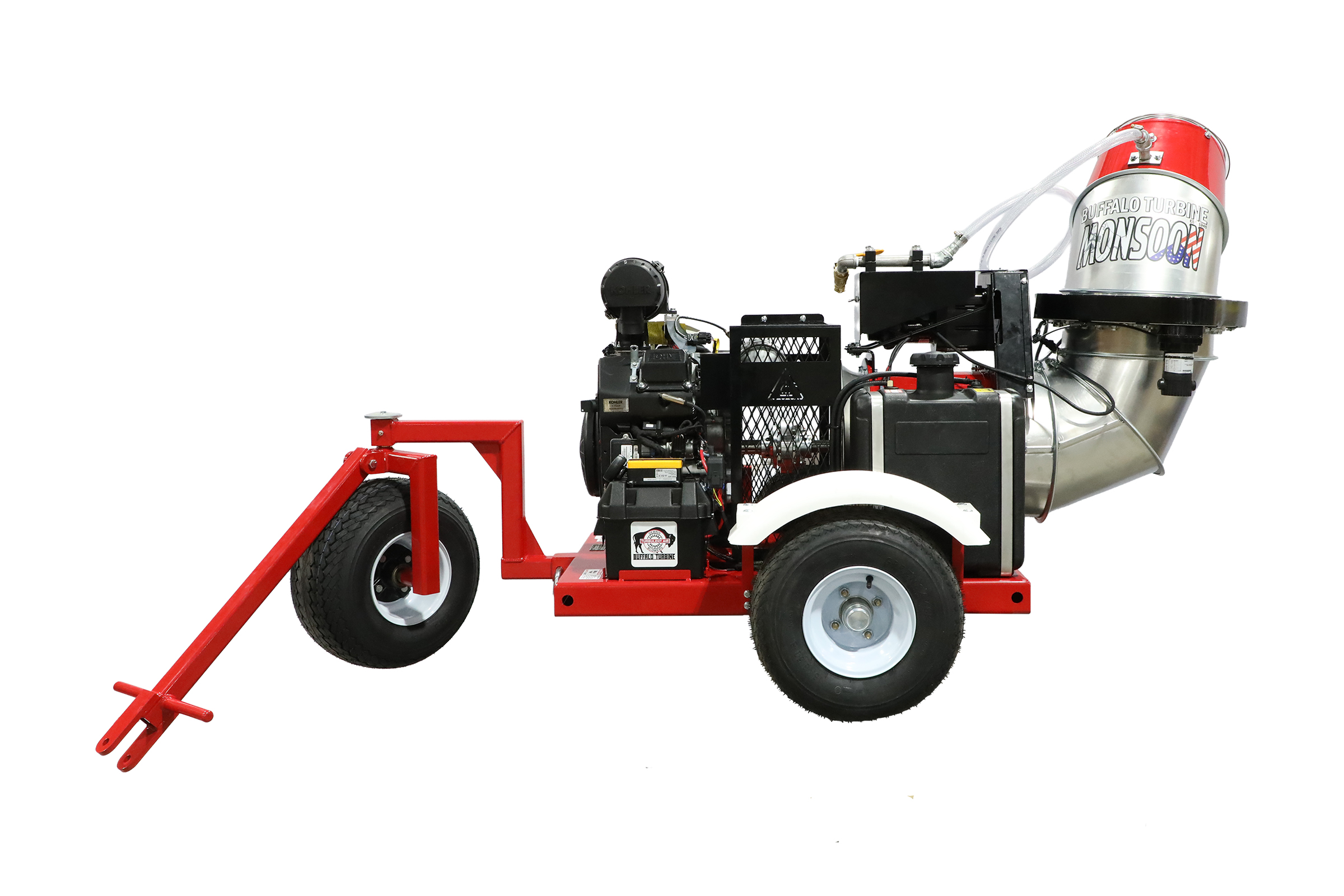
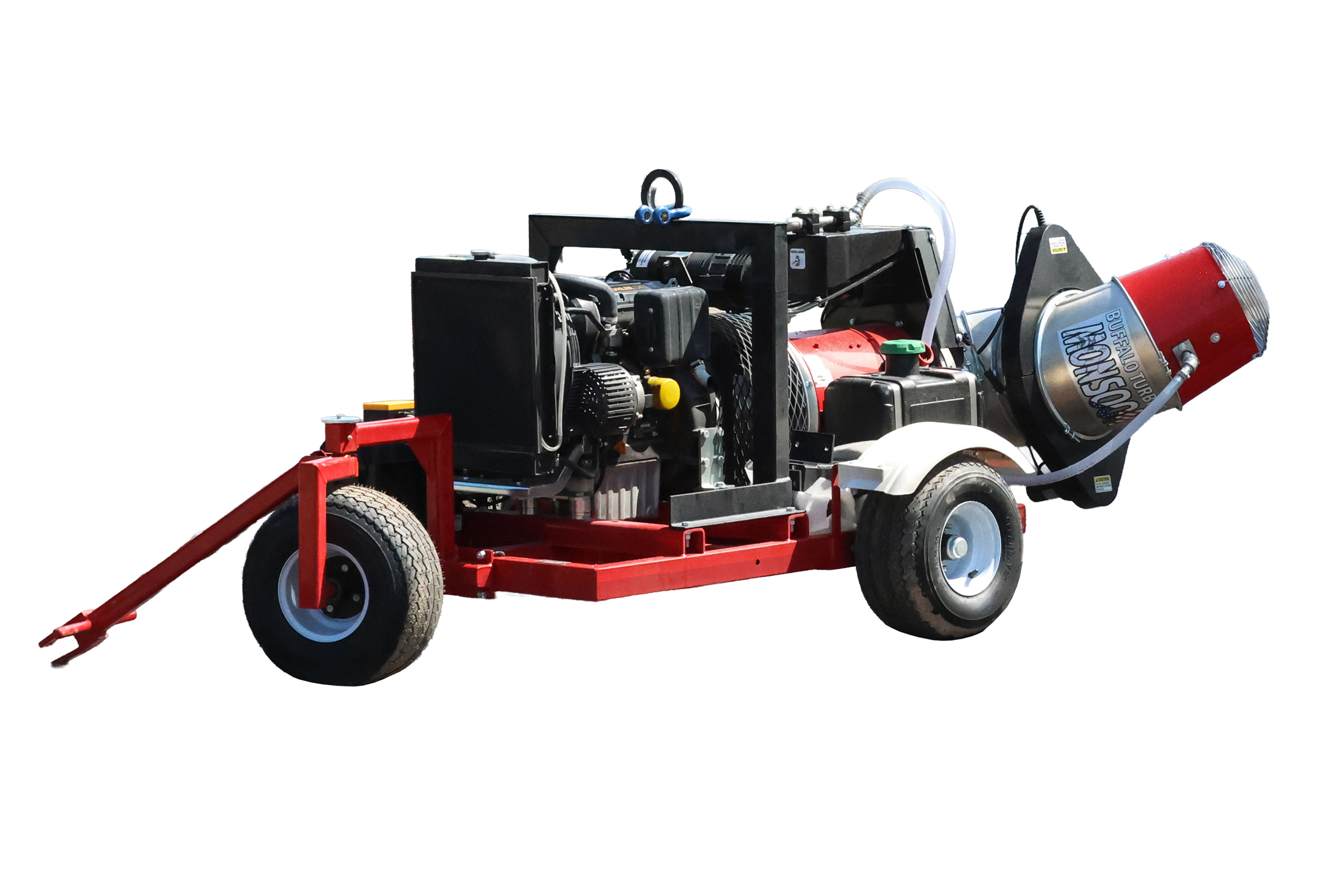
Buffalo Turbine’s Cyclone KB7 and Cyclone MEGA3 provide powerful tow-behind performance for extended trail systems. The Blitz MEGA (40HP) delivers high-mobility maneuverability for athletic complexes and high-traffic parks. The Cyclone PTO integrates with existing tractor fleets for large-scale park operations.
All models share the same advantage: legendary turbine force air power engineered for professional performance since 1945.
Frequently Asked Questions
Why is seasonal trail and park cleanup important?
Spring and fall can create significant debris buildup across municipal properties. Spring cleanup removes winter sand, gravel, dirt, and organic material, while fall cleanup addresses leaves, grass clippings, and seasonal debris. Regular clearing helps maintain trails, public spaces, drainage, and accessibility throughout the year.
Can one Buffalo Turbine debris blower handle both spring and fall cleanup?
Yes. Turbine force air can be used for a wide range of seasonal cleanup tasks, from moving spring sand, dirt, and winter debris to clearing fall leaves, grass clippings, and organic material.
Can one Buffalo Turbine debris blower handle both paved trails and turf?
Yes. Municipal-grade turbine-driven blowers can clear both paved surfaces and turf using controlled, directional airflow.
Are PTO debris blowers a good option for parks departments?
Buffalo Turbine PTO blowers allow parks departments to use existing tractor fleets for large-area trail, turf, and public grounds maintenance.
How does Buffalo Turbine force air power compare to traditional leaf blowers?
Turbine force air technology generates concentrated airflow capable of moving heavy debris efficiently across larger areas, helping crews reduce cleanup time compared with relying solely on handheld or backpack equipment.
What should municipalities consider when selecting park maintenance blower equipment?
Consider surface type, seasonal debris, acreage, trail mileage, crew structure, and existing fleet equipment when choosing the right blower configuration for municipal operations.