

Productivity Advantage for Landscapers
See what it could save your crew.
Explore the labor-saving results behind Buffalo Turbine, then estimate the value for your operation.
Calculate Your Potential SavingsWhy Landscape Cleanup Takes Longer Than It Should
Every minute spent clearing sidewalks, parking lots, curbs, and landscape beds adds up. Across a full route, cleanup can turn into hundreds or thousands of labor hours each season.
The issue is not whether cleanup matters. It does. The issue is how much time gets lost to repeated passes, multiple operators, and conventional cleanup methods. Compared to hand-held blower methods, Buffalo Turbine helps crews clean up to 5x faster.
- Real-world labor savings
- Why cleanup slows crews down
- Calculate your savings
- Why airflow matters
- Landscaping solutions
- Battery-powered cleanup
- Frequently asked questions
Real-World Results From Austin Outdoor Landscaping Professionals
“Before we switched to Buffalo Turbine, it took four guys with backpack blowers over four hours a day to clean up after mowing. With our turbine blower, one operator finishes the same job in under three hours total — saving us over 2,700 labor hours a year. It’s safer, faster, and the streets look spotless.” Rod Marquardt, Division Manager – Austin Outdoor Landscaping Professionals
Based on a large municipal landscape maintenance program. Actual results vary by property size, debris conditions, crew practices, operator experience, and equipment used.
Same Job. Fewer People.
Before
4 Operators — Over 4 Hours
16+ Labor Hours Per Day
With Buffalo Turbine
1 Operator — Under 3 Hours
Less Than 3 Labor Hours Per Day
Why Cleanup Slows Crews Down
Landscape crews may finish mowing quickly, then spend valuable time clearing sidewalks, drive lanes, parking lots, patios, curbs, entrances, mulch beds, and turf edges before moving to the next property.
That final cleanup step protects the finished appearance of the job, but it also consumes labor when multiple crew members are walking the site with hand-held blowers.
Repeated Passes
Clippings, leaves, mulch, dirt, and light debris often require several passes to move completely.
Multiple Operators
Two or three employees may be tied up finishing cleanup instead of moving on to the next task.
Route Pressure
Small delays at each stop can lead to overtime, missed schedules, and less daily capacity.
Cleanup Productivity Example
When cleanup is measured in labor hours, the productivity gap becomes easier to see.
| Cleanup Method | Crew Members | Cleanup Time | Total Labor Hours |
|---|---|---|---|
| Conventional backpack blower cleanup | 4 | Over 4 hours | 16+ labor hours |
| Buffalo Turbine cleanup | 1 | Under 3 hours | Less than 3 labor hours |
In this real-world example, the operation recovered more than 2,700 labor hours annually.
Actual results vary by property size, debris conditions, crew practices, operator experience, and equipment used.
What One Hour Saved Can Mean
Saving one labor hour today may not sound significant. Saving labor hours every day across an entire season can change the equation.
That can create 10 recovered labor hours per day, 50 per week, or 1,500 over a 30-week season.
More Daily Capacity
Complete more work without adding headcount.
Less Overtime Pressure
Help crews stay on schedule during peak season.
Better Crew Utilization
Redirect labor toward mowing, trimming, edging, or additional stops.
Equipment Is Purchased Once. Labor Is Paid Every Day.
Many contractors focus on equipment cost. The larger expense is often the labor required to perform the same cleanup task day after day, season after season.
One-Time Investment
- Buffalo Turbine equipment
- Operator training
- Initial setup
Recurring Costs
- Labor
- Overtime
- Scheduling delays
- Cleanup inefficiency
- Lost productivity
A productivity improvement that saves labor every day can continue delivering value long after the equipment has paid for itself.
See What Buffalo Turbine Could Save Your Crew
Use your current cleanup workload to explore a case-study-based scenario using the labor-hour improvement reported by Austin Outdoor Landscaping Professionals. This is an illustration, not a guaranteed outcome.
1. Your Current Cleanup Operation
Labor hours count each worker’s time. For example, four people working four hours = 16 labor hours, not four.
2. Potential Labor Savings
In the Austin Outdoor case study, cleanup changed from 16+ labor hours to fewer than 3 labor hours per day. The calculator uses an illustrative 83% reduction in labor hours for your operation. Actual results can be higher or lower.
Recovered labor time can mean reduced payroll expense or additional capacity for other paid work. It is not necessarily a cash saving. The 83% is a case-study scenario, not a prediction or typical customer result.
3. See How Quickly It Could Pay for Itself
Enter an estimated equipment investment to compare against the potential annual labor value above.
Simple payback = equipment investment ÷ projected annual labor value × 12 months. Assumes the full labor value is realized financially, with savings accruing evenly through the year. Excludes fuel, maintenance, financing, taxes, training and other costs. Seasonal work may produce a different calendar payback period.
Why Airflow Matters During Landscape Cleanup
Strong, controlled and directional airflow helps move clippings, leaves, mulch, dirt, and light debris farther with fewer passes. That can reduce walking, reduce repetitive hand-held blower work, and help crews finish properties faster.
- Complete more properties per day
- Reduce repeated cleanup passes
- Improve finished property appearance
- Free labor for other maintenance tasks
- Reduce fatigue from repetitive blower use
Buffalo Turbine Landscaping Solutions
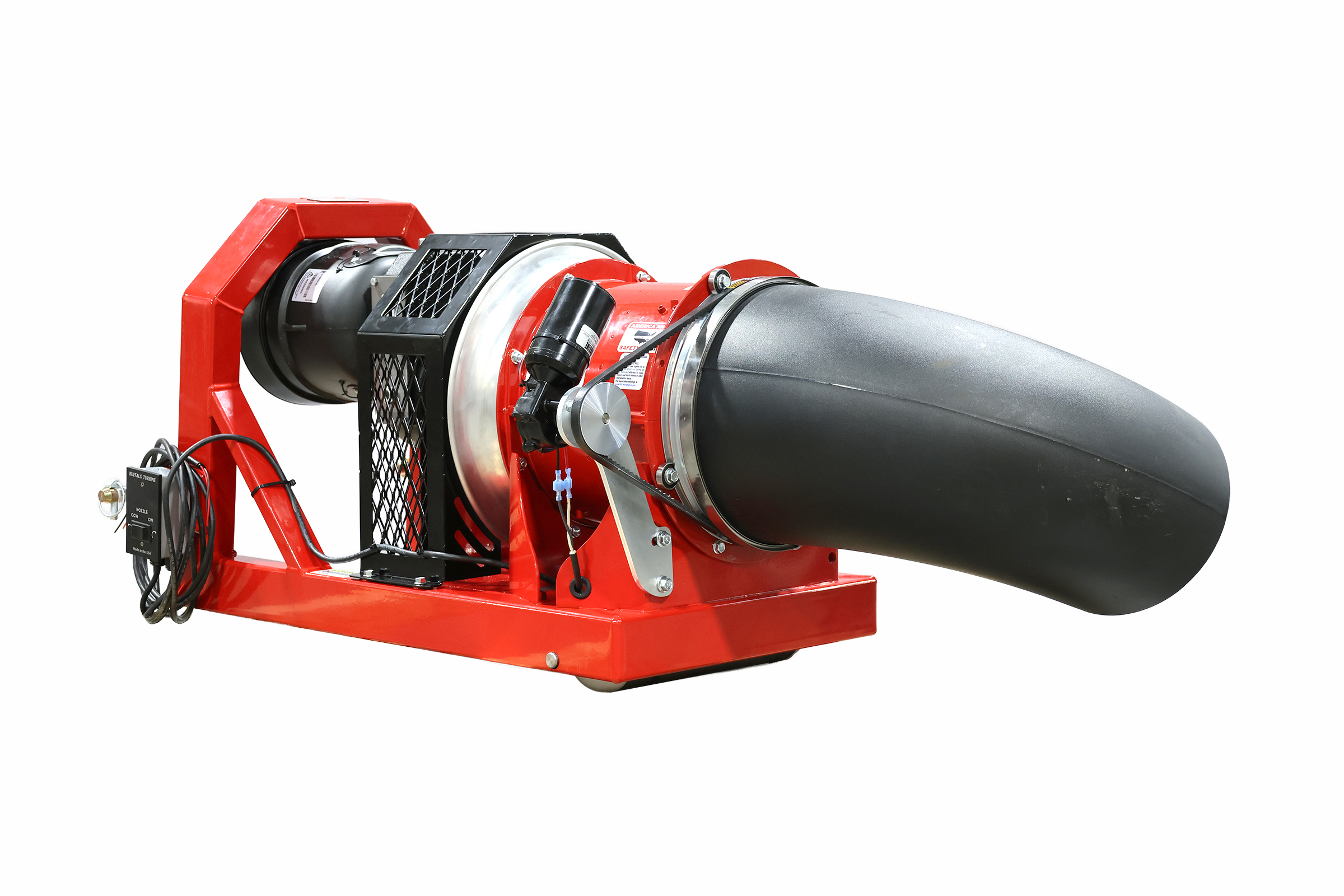
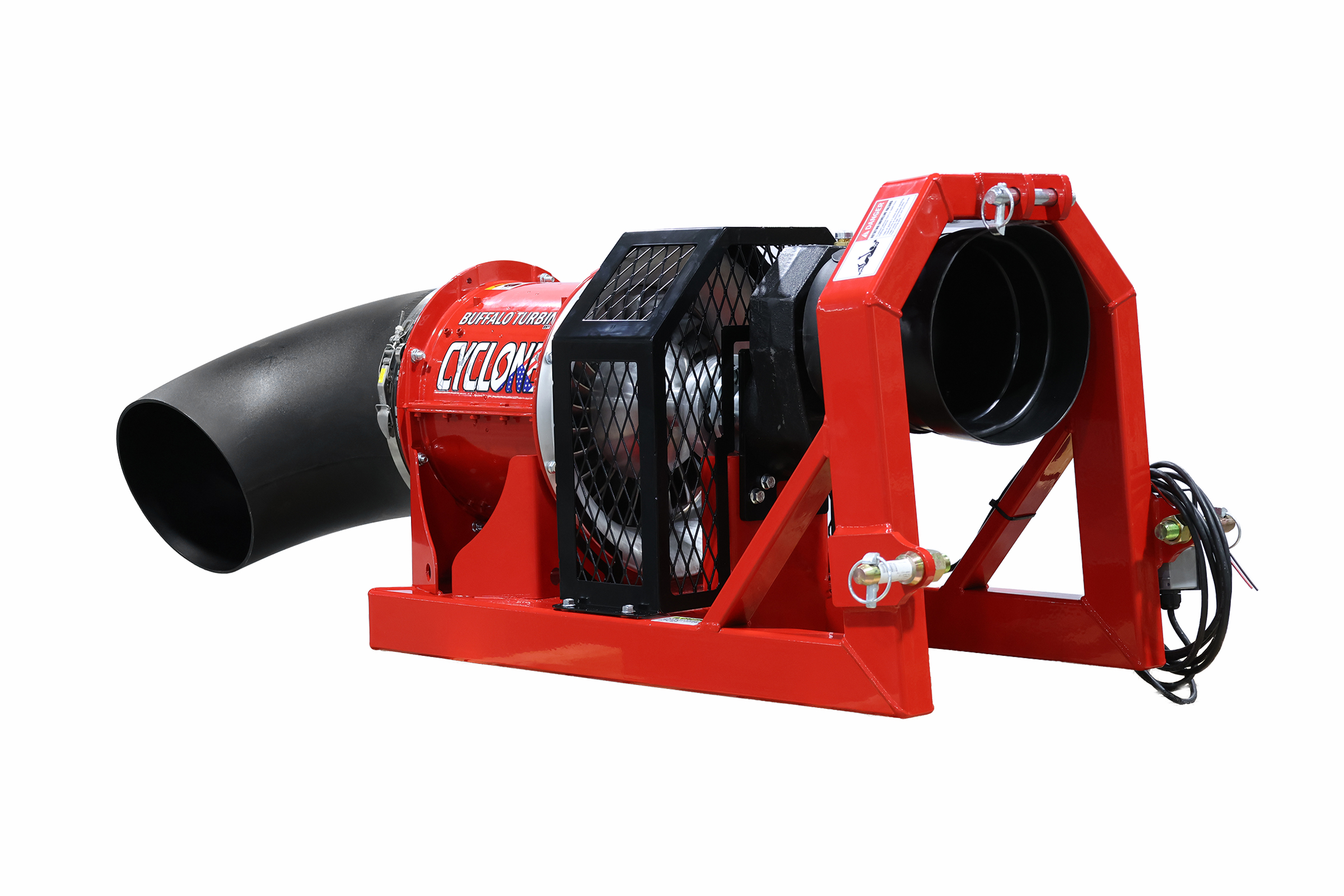
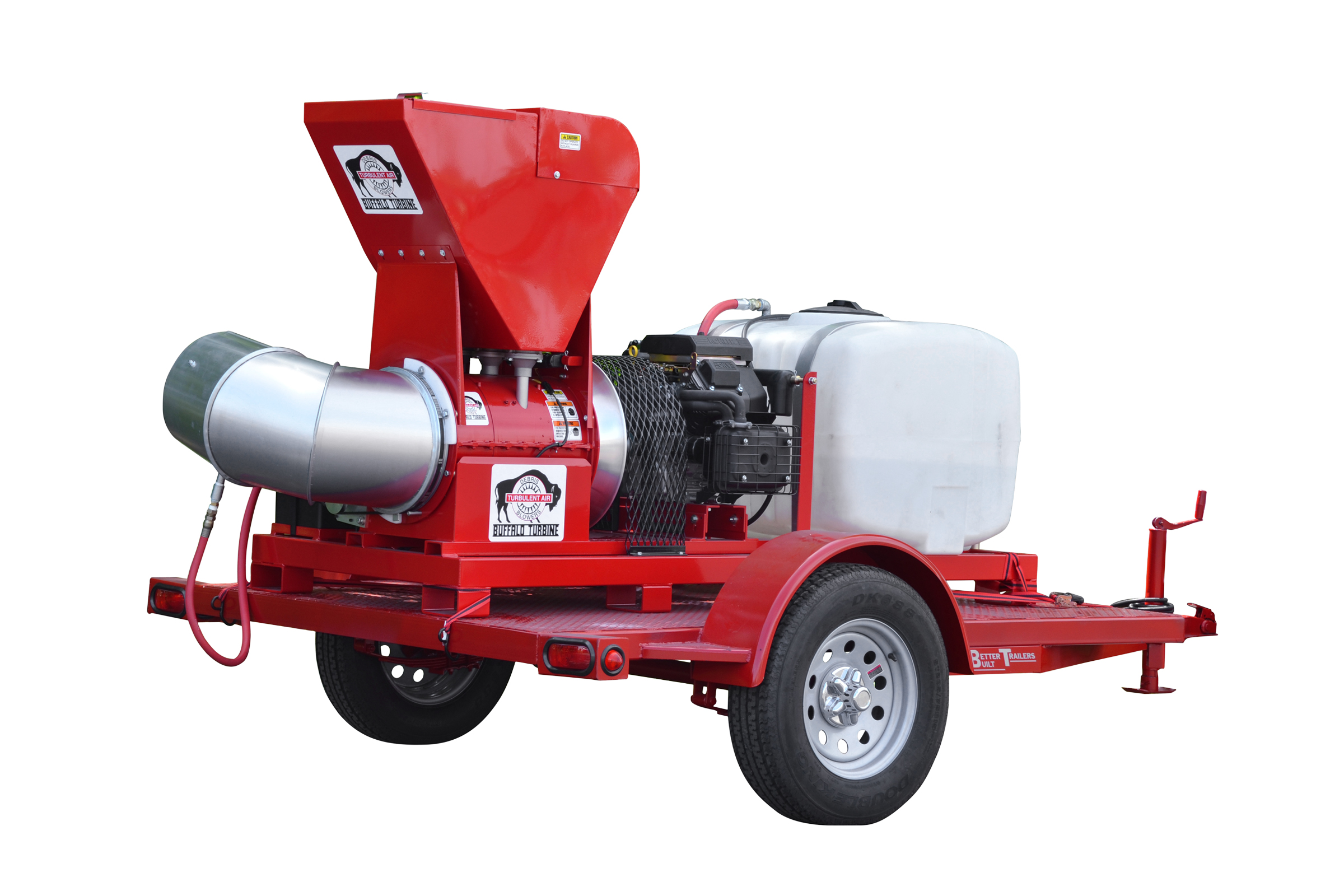
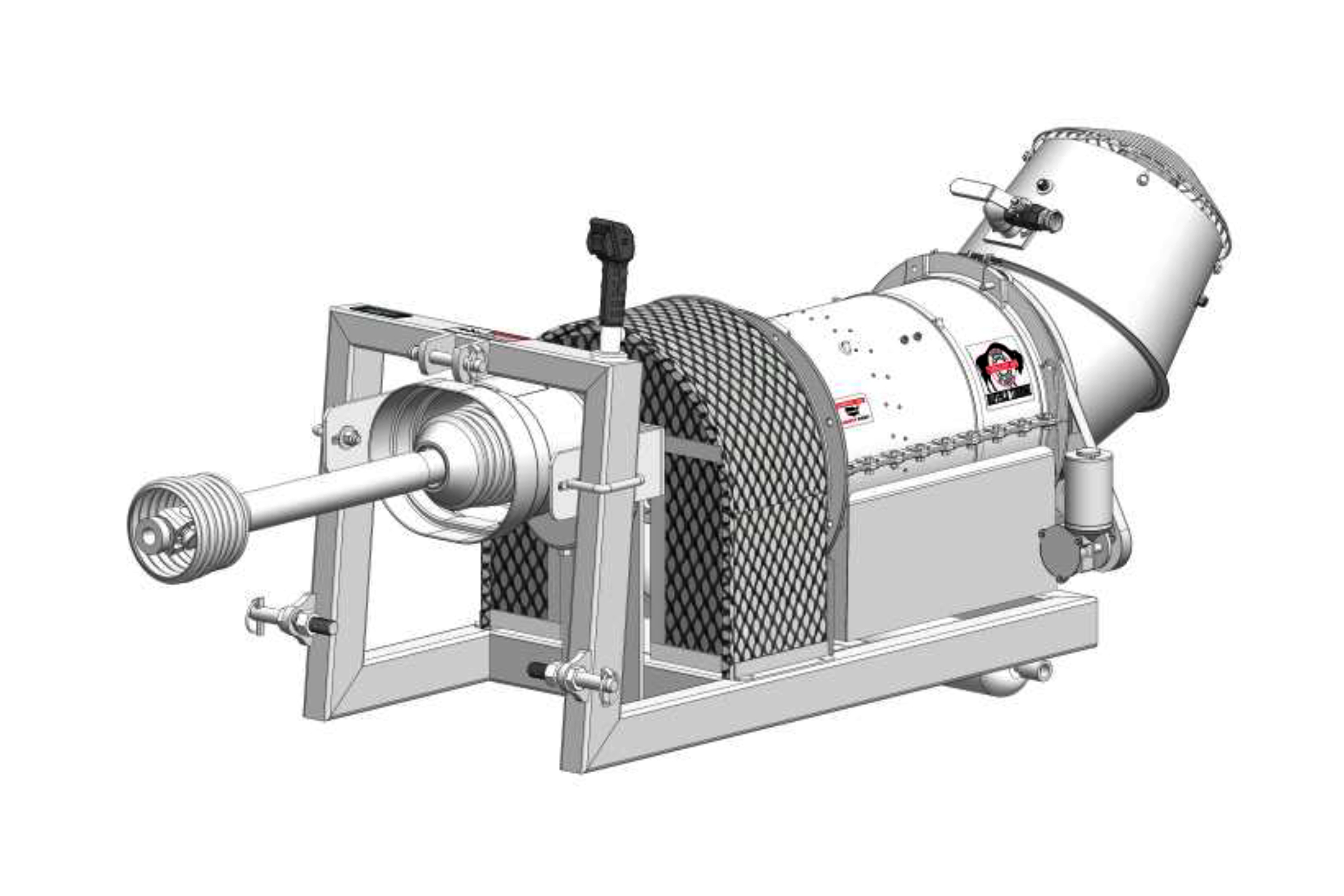
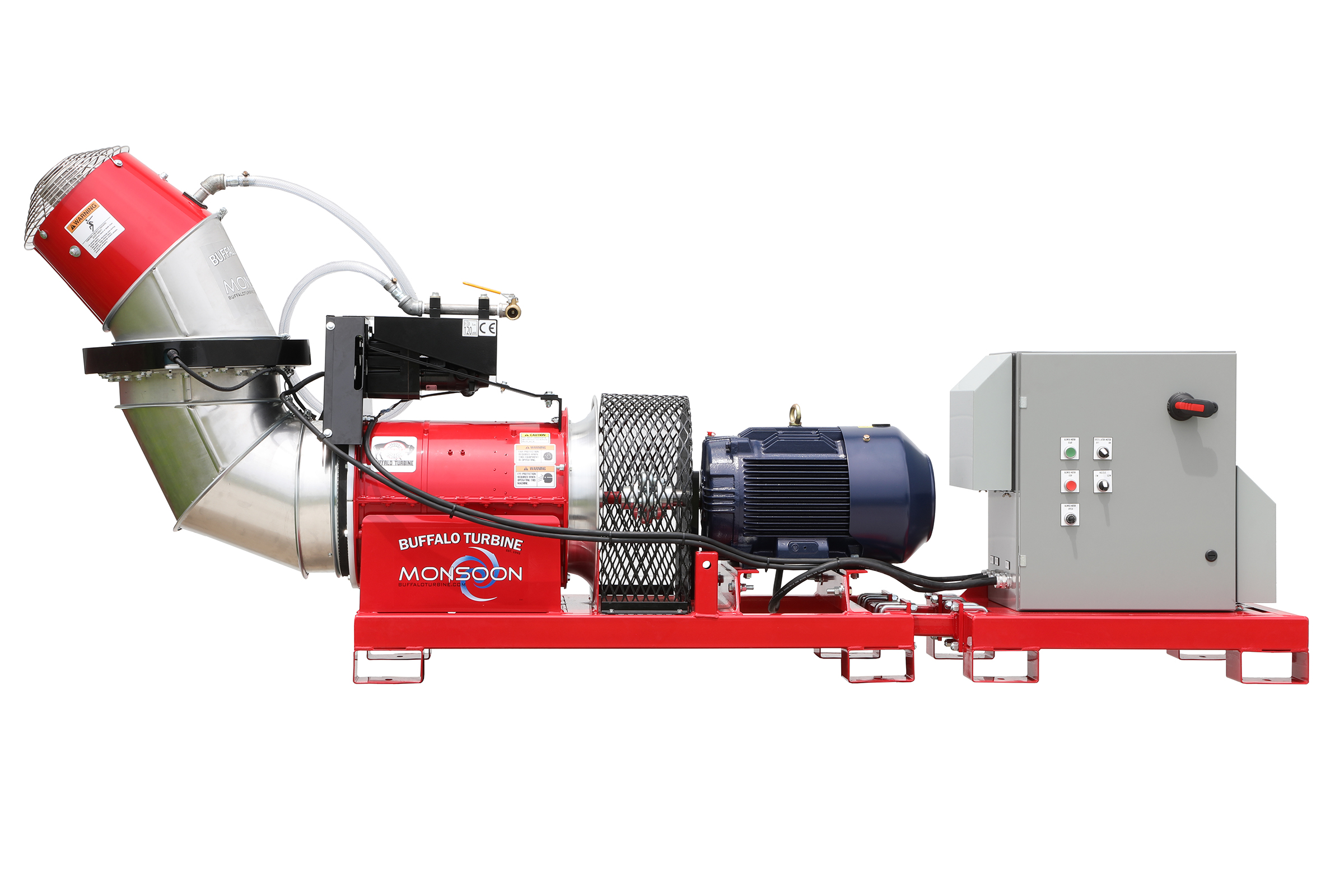
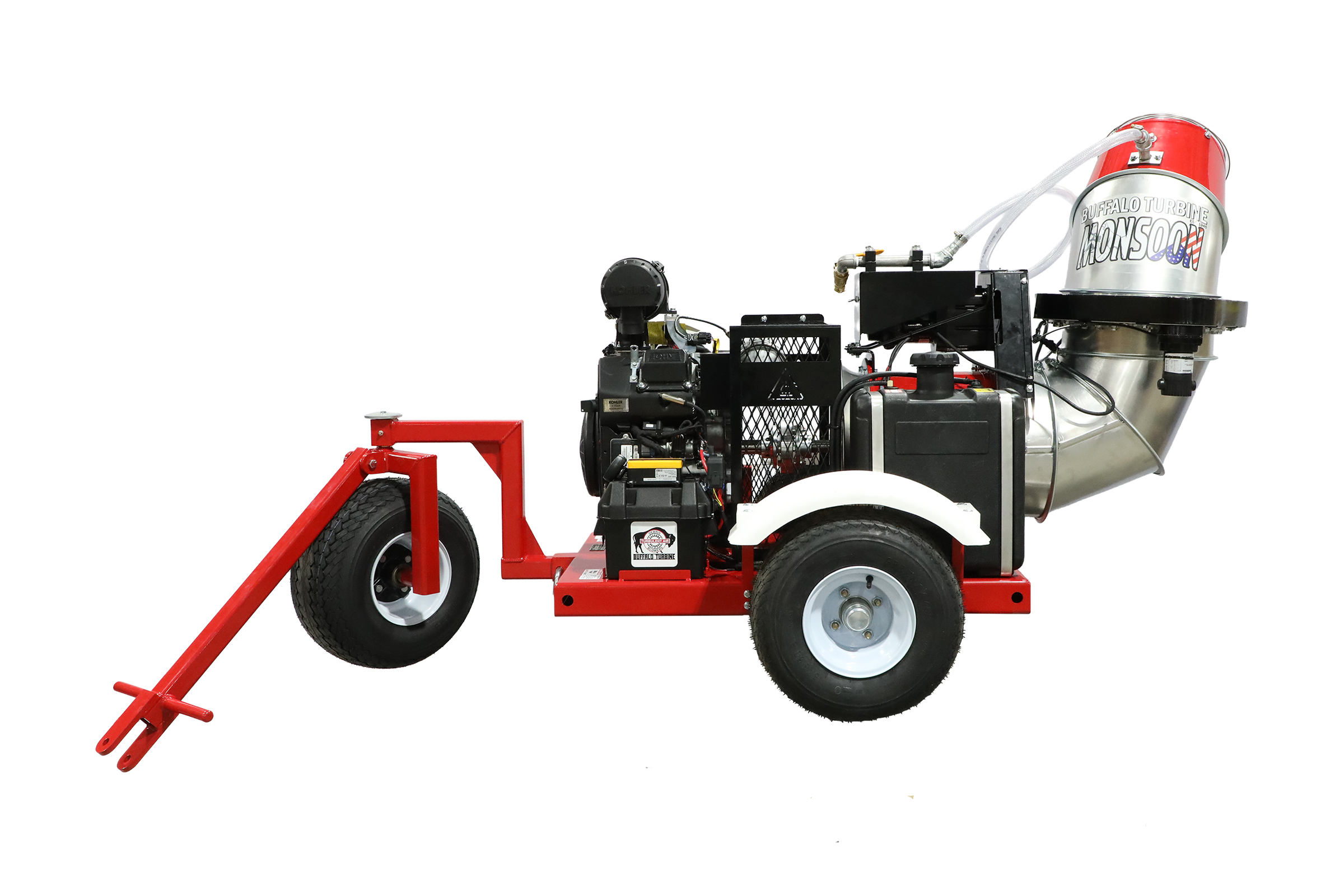
Buffalo Turbine blowers are built to help professional landscape crews move debris farther, faster, and more efficiently. With high-powered turbine airflow, one operator can cover large areas and reduce time spent on cleanup.

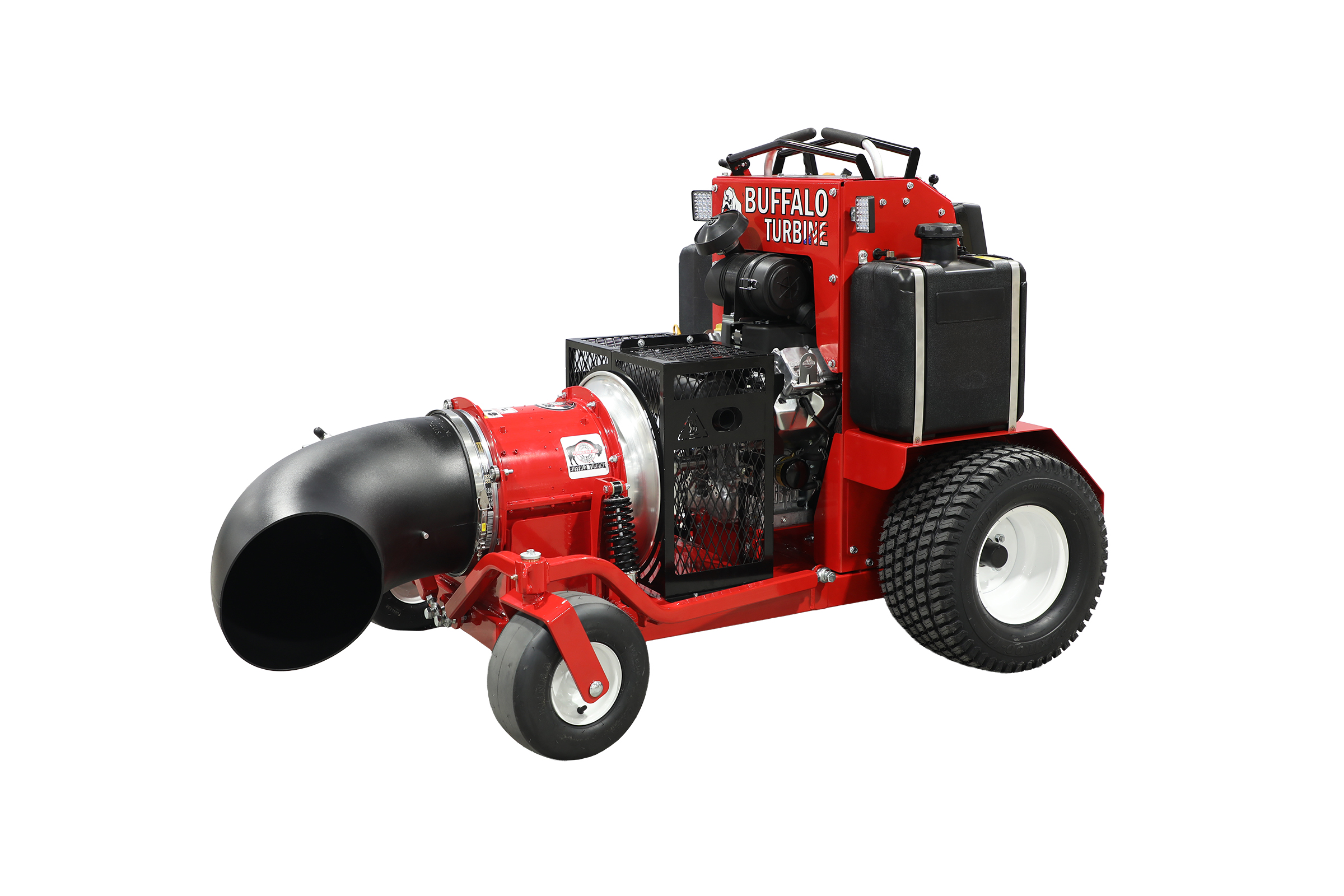
Blitz Stand-On Debris Blower
Built for speed, maneuverability, and high-output performance around sidewalks, parking lots, entrances, curb lines, campuses, parks, and commercial properties.
- Ideal for high-mobility landscape cleanup
- Zero-turn steering for tight areas
- 360° nozzle control for focused clearing
- Built for daily productivity

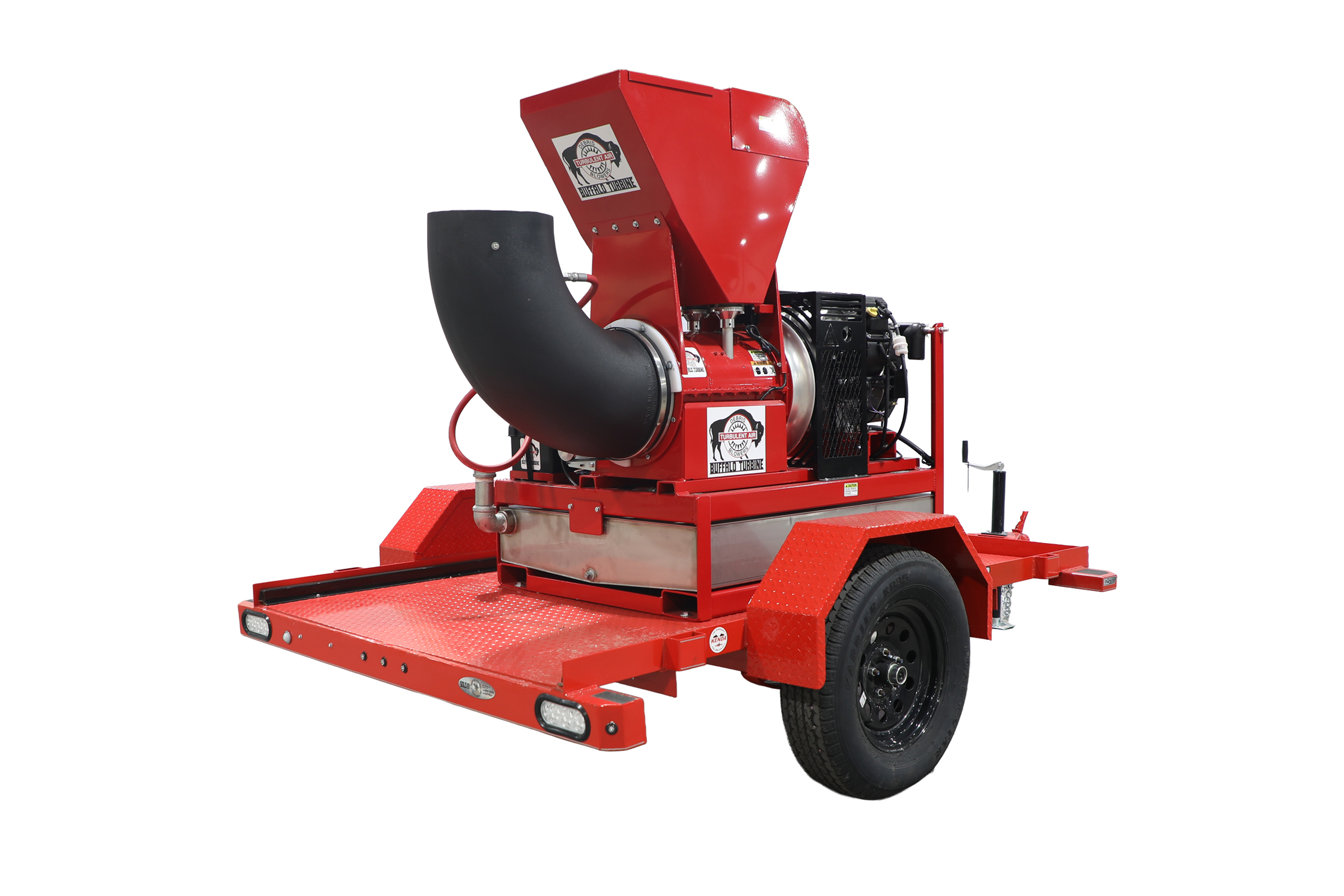
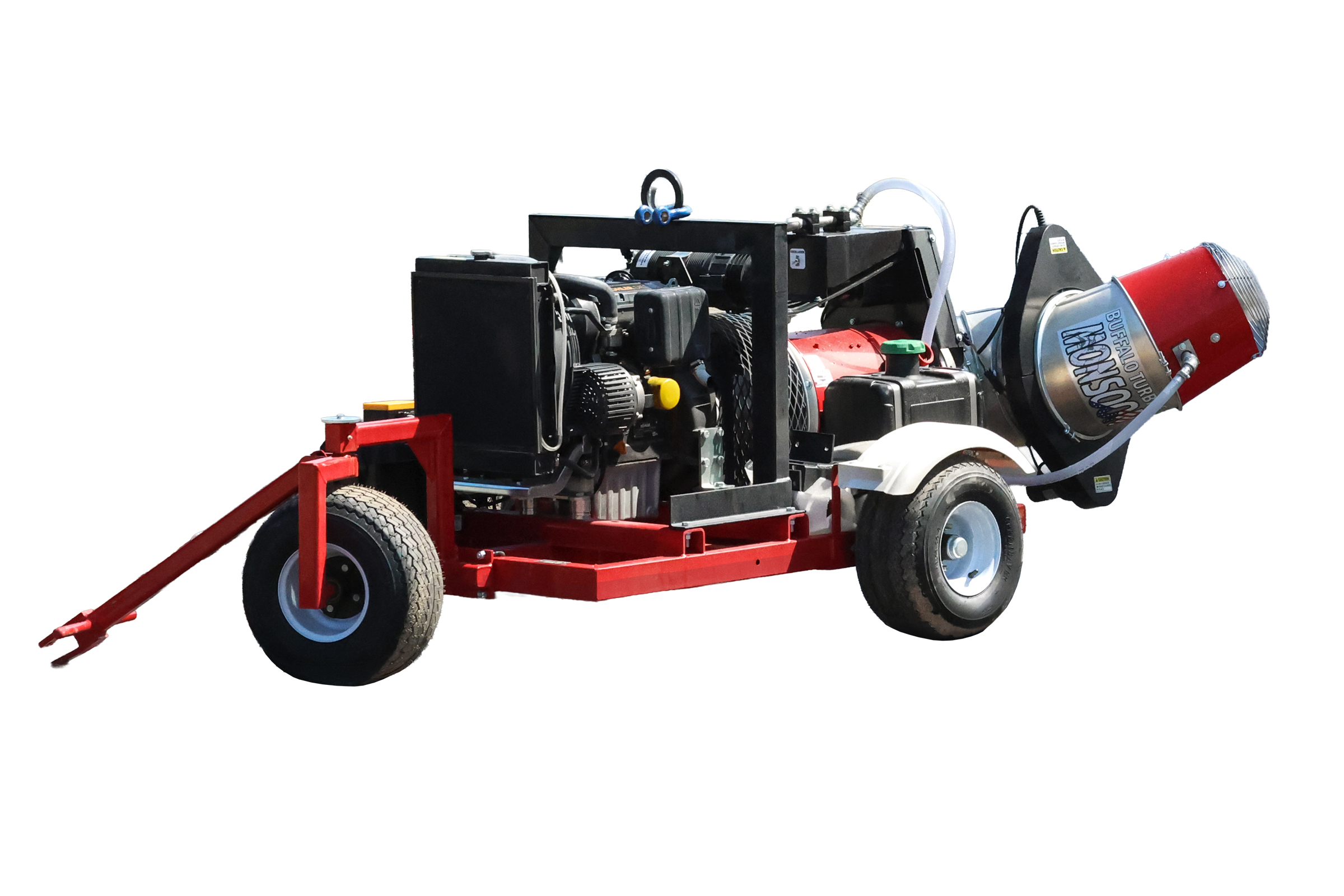
MEGA3 Tow-Behind Debris Blower
Designed for larger properties, open turf areas, storm cleanup, municipal grounds, campuses, parks, and commercial sites.
- Built for large-area debris removal
- 360° nozzle rotation with wireless remote control
- Helps crews clear open areas faster
- Heavy-duty tow-behind design
Need Quieter Cleanup?

Not every landscape maintenance route is the same. HOA communities, schools, healthcare facilities, parks, campuses, resorts, and commercial properties often have noise restrictions or occupants nearby that make quieter operation a priority.
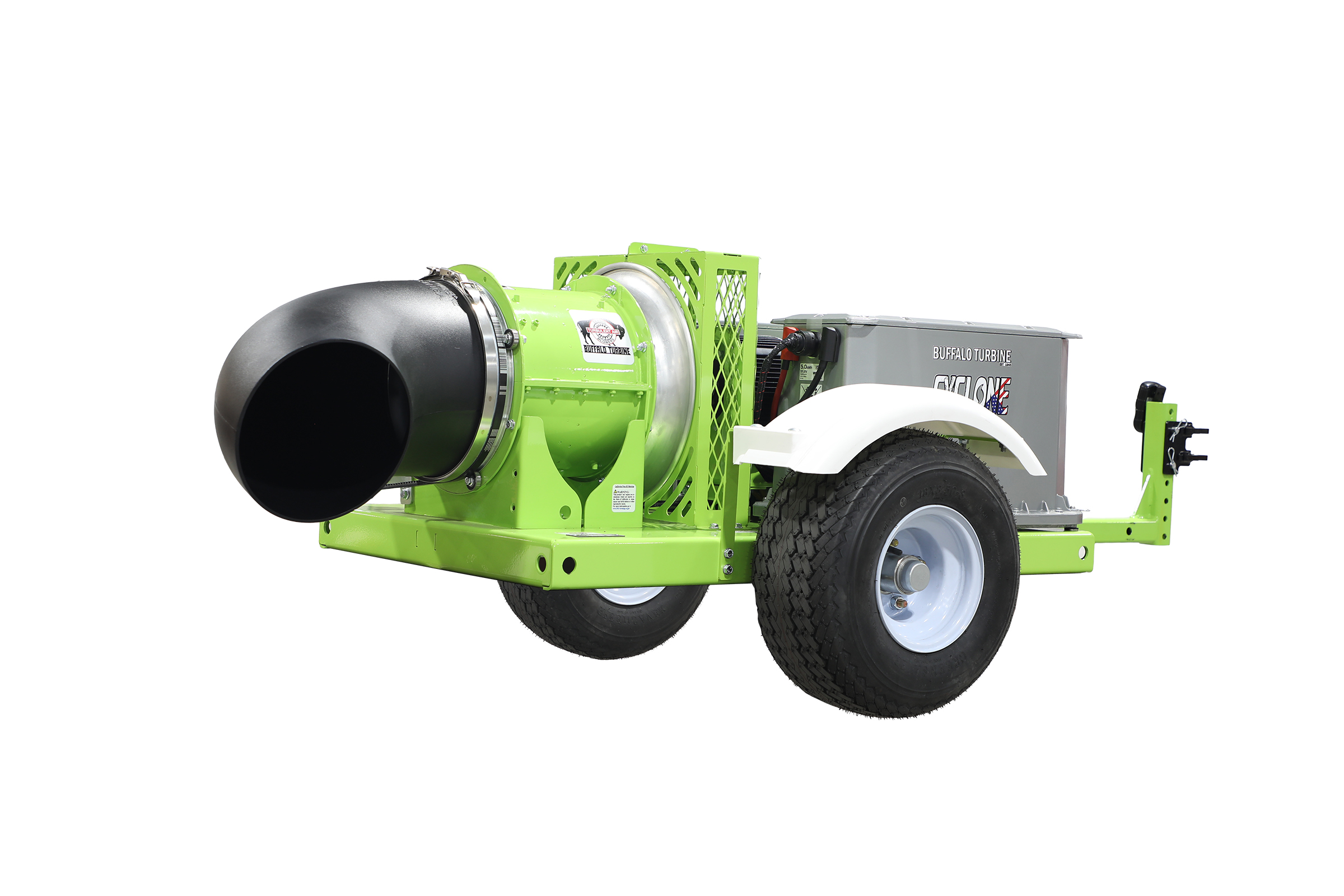
For these environments, Buffalo Turbine offers the eKB battery-powered debris blower. Designed to deliver turbine-force air with approximately 50% less noise than comparable gas-powered models, the eKB helps crews maintain productivity while minimizing disruption.
Approximately 50% Quieter
Reduce operating noise while maintaining turbine-force air productivity.
Ideal for Noise-Sensitive Properties
Suitable for HOAs, schools, campuses, parks, healthcare facilities, and municipalities.
Productivity Without Compromise
Help crews finish cleanup faster while reducing disruption.
Why Landscapers Choose Buffalo Turbine
Faster Cleanup
High-powered turbine airflow helps crews move debris faster with fewer passes.
Built for Daily Use
Rugged, low-maintenance designs support demanding landscape schedules.
30+ Models Available
Options for different property sizes, cleanup needs, and budgets.
Buffalo Turbine has been building and refining turbine technology since 1945. Proudly made in the USA, Buffalo Turbine remains the standard in performance, durability, and innovation.
More Air. Less Time. All-American. The Best on Earth.
Frequently Asked Questions
Why does landscape cleanup take longer than expected?
Cleanup often takes longer because crews must clear multiple surfaces, make repeated passes, and maintain finished property appearance before moving to the next job.
How can landscaping companies reduce cleanup time?
Companies can reduce cleanup time by using the right equipment for each property, reducing repeated passes, improving route planning, and using turbine-powered debris removal where practical.
How much time can a Buffalo Turbine blower save?
In many landscape maintenance applications, Buffalo Turbine equipment can help crews clean up to 5x faster compared to conventional hand-held blower methods. Actual results vary.
Where does battery-powered cleanup make sense?
Battery-powered cleanup can be useful for HOAs, schools, campuses, healthcare facilities, parks, and other properties where reduced noise is important.
Which Buffalo Turbine blower is best for landscaping?
The best model depends on property size, crew structure, and cleanup needs. Stand-on models like the Blitz work well in tighter areas. Tow-behind models like the MEGA3 are useful for larger properties and open areas.
Are Buffalo Turbine blowers American made?
Yes. Buffalo Turbine blowers are American made in Springville, New York and built for professional landscaping, turf care, municipal, golf, and commercial maintenance applications.