

One-Step Pavement Prep with Buffalo Turbine
Less Time Cleaning. More Time Paving.
See It in Action: Pavement Cleanup
Loose millings, dust, and debris can slow the work before paving even begins. Buffalo Turbine debris blowers give road crews a powerful, controlled way to clear loose material and keep surface preparation moving.
See turbine force air in action. Watch the pavement cleanup demonstration, then explore where stand-on and tow-behind blowers fit into a road crew’s workflow.
- Where pavement prep costs crews time
- How controlled airflow supports pavement prep
- Choose a blower for the jobsite
- Frequently asked questions about pavement prep blowers
Where Pavement Prep Costs Crews Time
After milling, crews may need to clear loose material before the next operation. Switching between cleanup tools, repositioning equipment, and repeating passes can add time to an already tight schedule.
Dust and loose millings left on the surface can interfere with surface preparation for tack coat. Cleaning requirements vary by project, pavement condition, and agency specification; the goal is to prepare the surface for the next step without unnecessary delays.
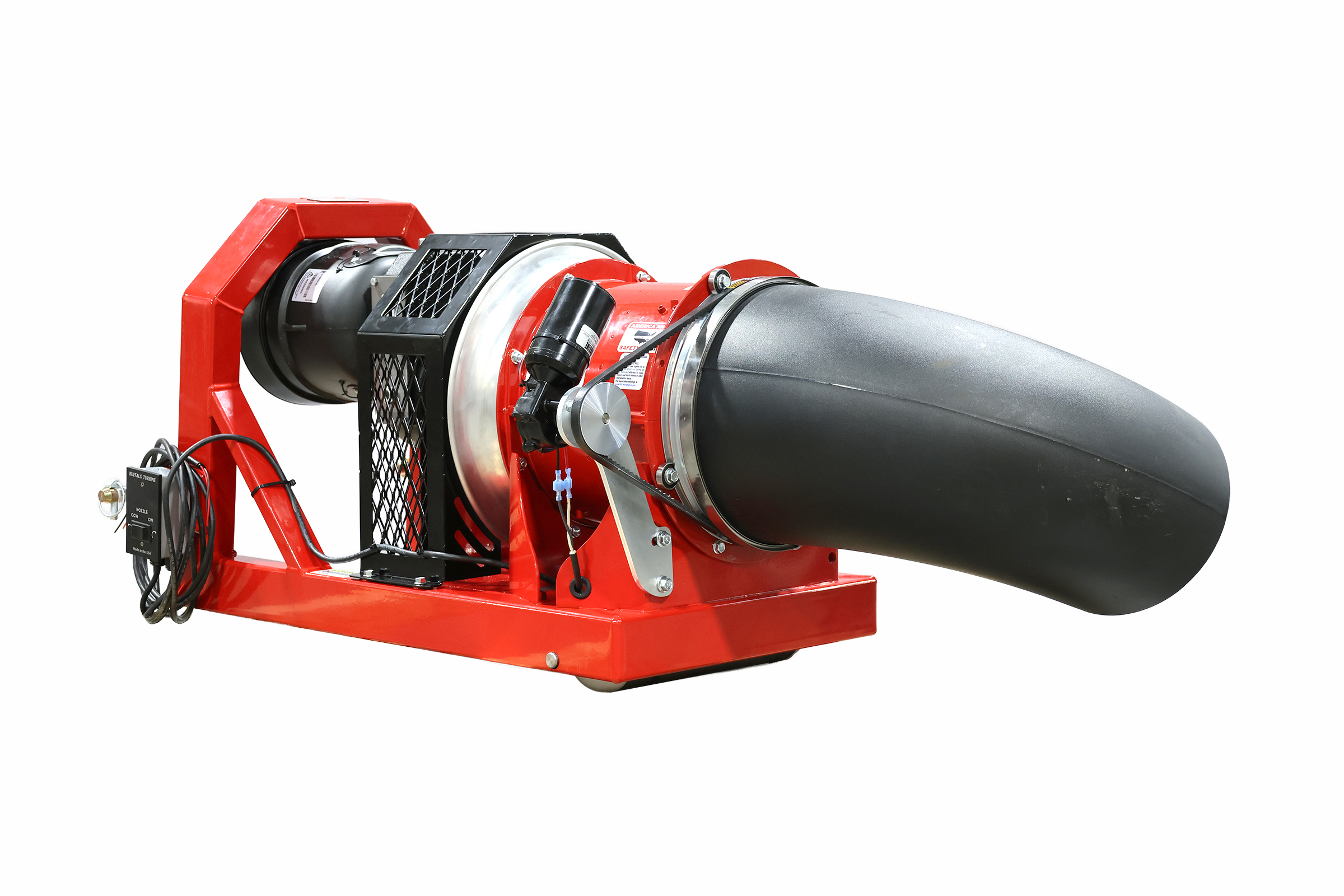
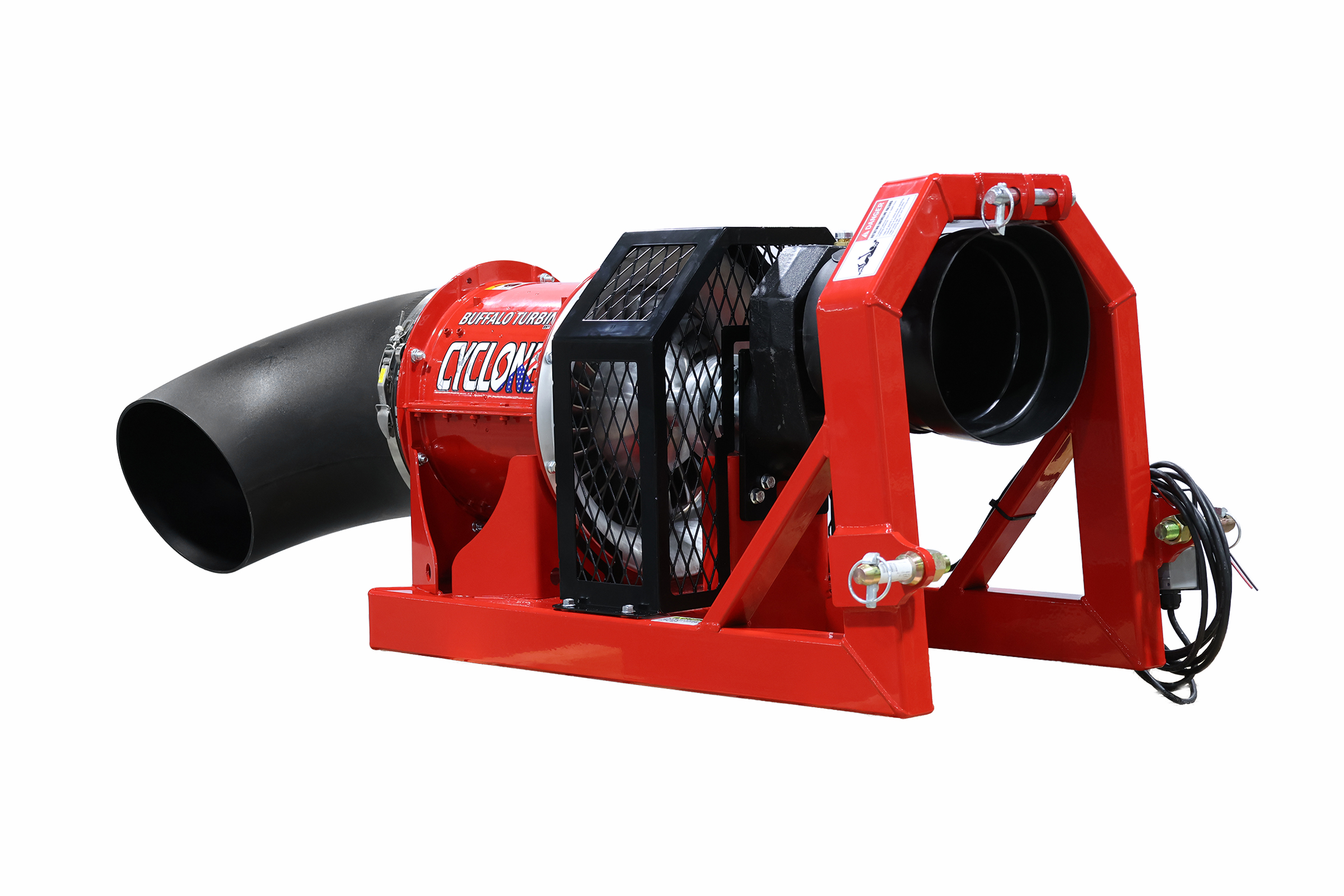
Buffalo Turbine uses directional turbine force air to move loose material off the work area. For suitable pavement cleanup jobs, a Buffalo Turbine blower is designed to replace conventional sweeping equipment and consolidate cleanup into a simpler operation.
Why Surface Cleanliness Matters Before Tack Coat
Preparing pavement for tack coat involves more than removing visible chunks of debris. Loose dust and fine millings can remain after milling and may need to be removed under the project’s surface preparation requirements.
A Buffalo Turbine blower offers an alternative to conventional mechanical sweeping for removing loose surface material. Contractors should still meet applicable project specifications, including any required inspections, drying, or prescribed cleaning methods.
For additional technical background, review the Federal Highway Administration’s pavement resources and the requirements for your project.
Replace Multiple Cleanup Steps with Turbine Force Air
Replace Conventional Cleanup Tools
Use directional turbine airflow to clear loose material in place of conventional sweeping tools on suitable jobsites.
Support Surface Preparation
Clear loose dust, debris, and millings as part of the cleaning process required before subsequent pavement operations.
Keep Work Moving
Direct airflow where cleanup is needed on parking lots, intersections, streets, and longer roadway sections.
Less Time Cleaning. More Time Paving.
Instead of deploying multiple conventional cleanup tools, crews can use one turbine blower to clear loose debris and move on to the next operation. Fewer equipment changes mean fewer interruptions on suitable jobsites.
Why Paving Crews Choose Buffalo Turbine:
- Directional turbine force air moves loose material from the work area
- Stand-on and tow-behind configurations suit different site layouts
- Designed to replace conventional sweeping equipment on suitable cleanup jobs
- American made equipment designed for demanding commercial use
Choose a Blower for the Jobsite
From tight parking lots to extended roadway projects, the right configuration depends on maneuvering space, crew setup, and how the equipment will be transported.

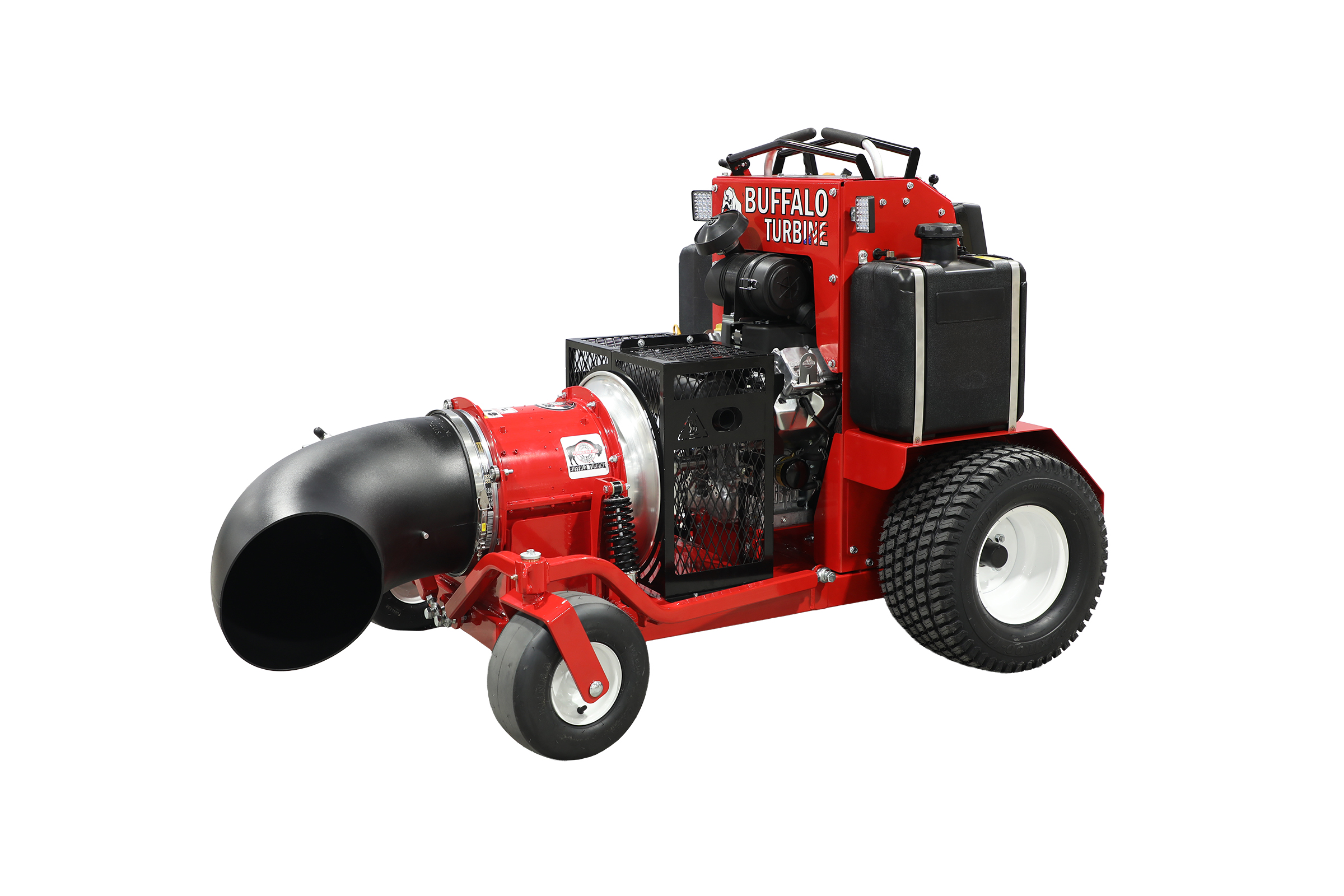
Blitz Stand-On Debris Blower
Best suited for: parking lots, intersections, and urban streets where maneuverability matters.
The Blitz is built for crews that need speed, maneuverability, and high-output performance in compact or high-traffic jobsites.
- 26 HP and 40 HP EFI engine options
- Zero-turn steering and independent suspension
- 360° nozzle control for fast, focused clearing
- American made durability backed by an industry-leading turbine warranty

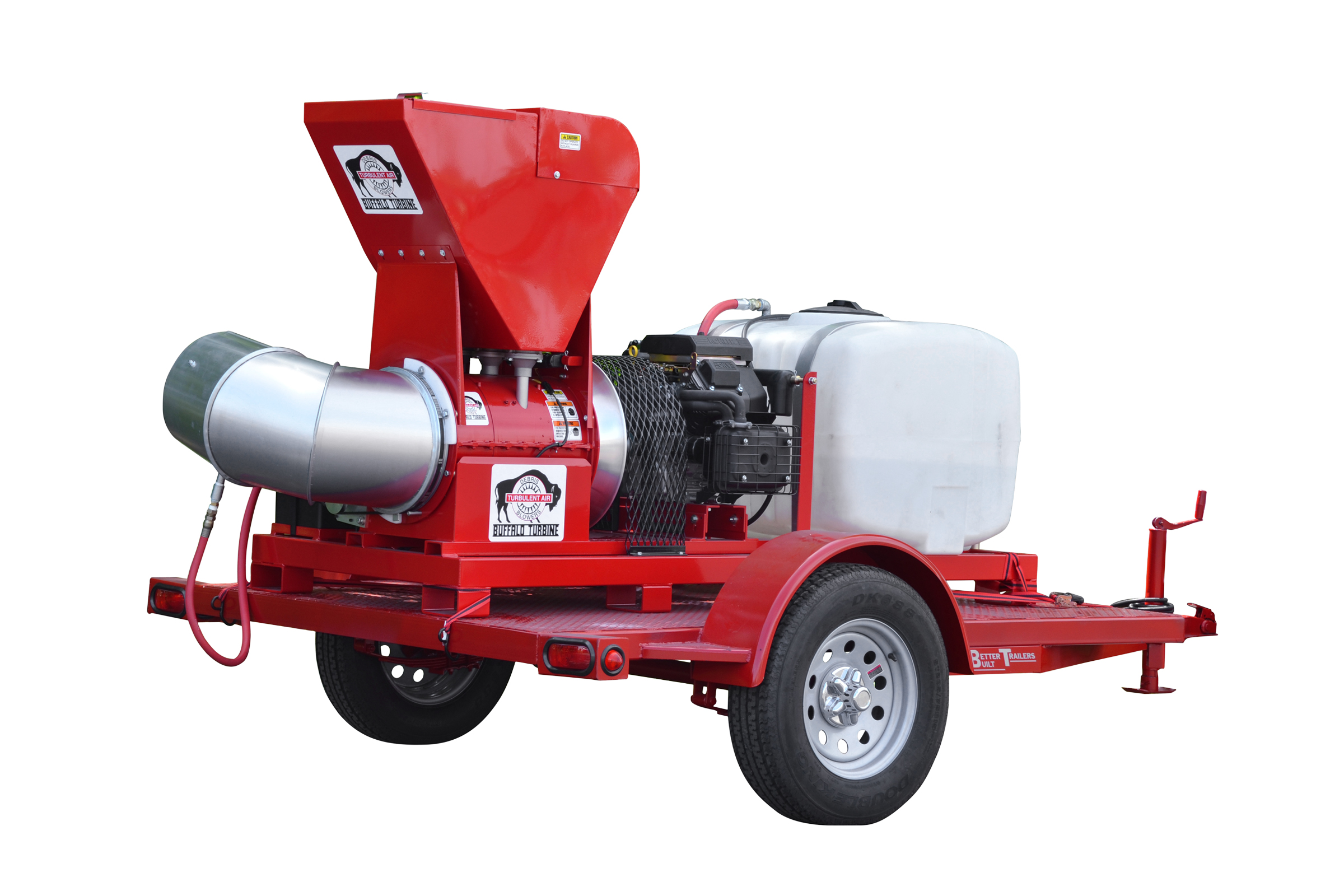
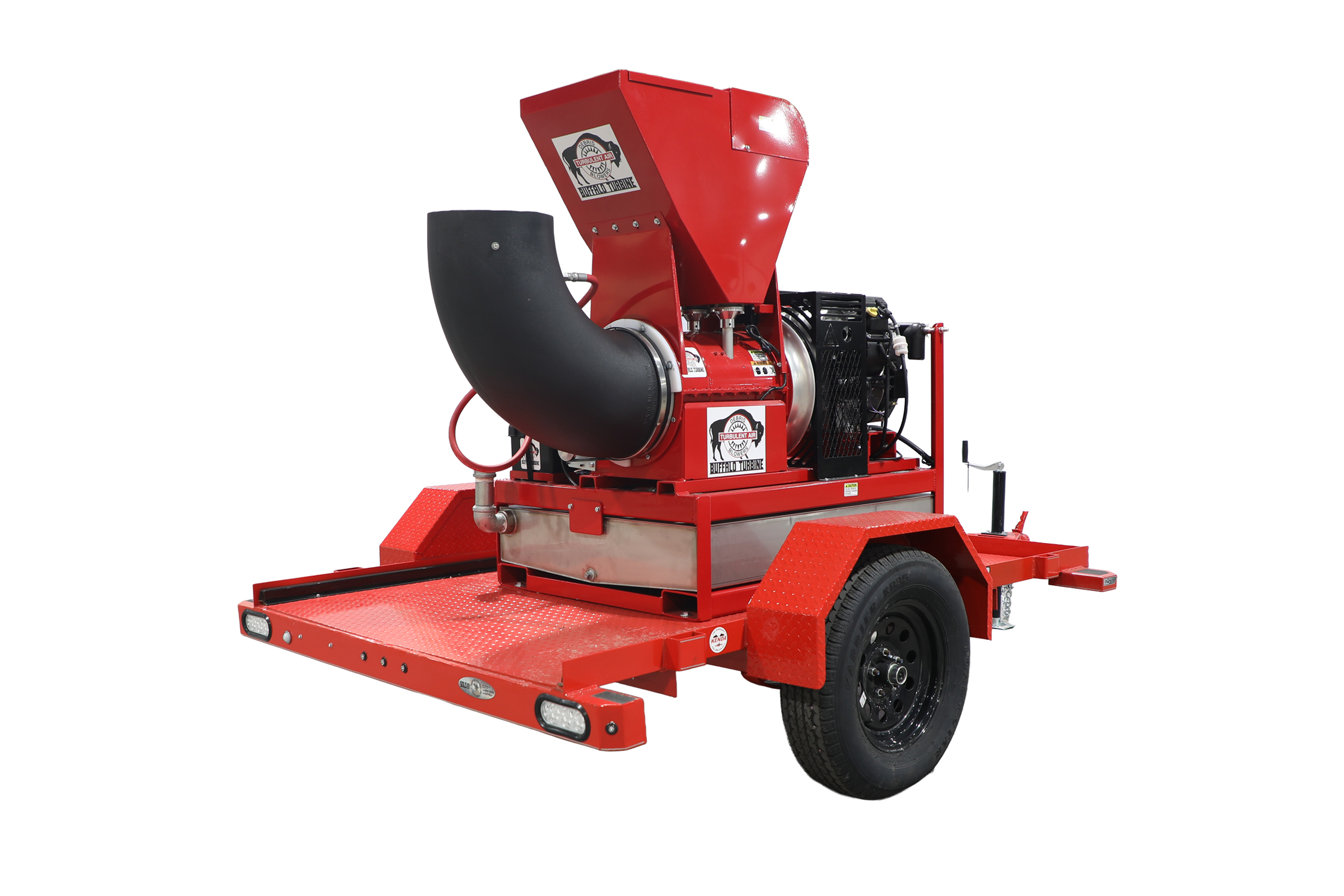
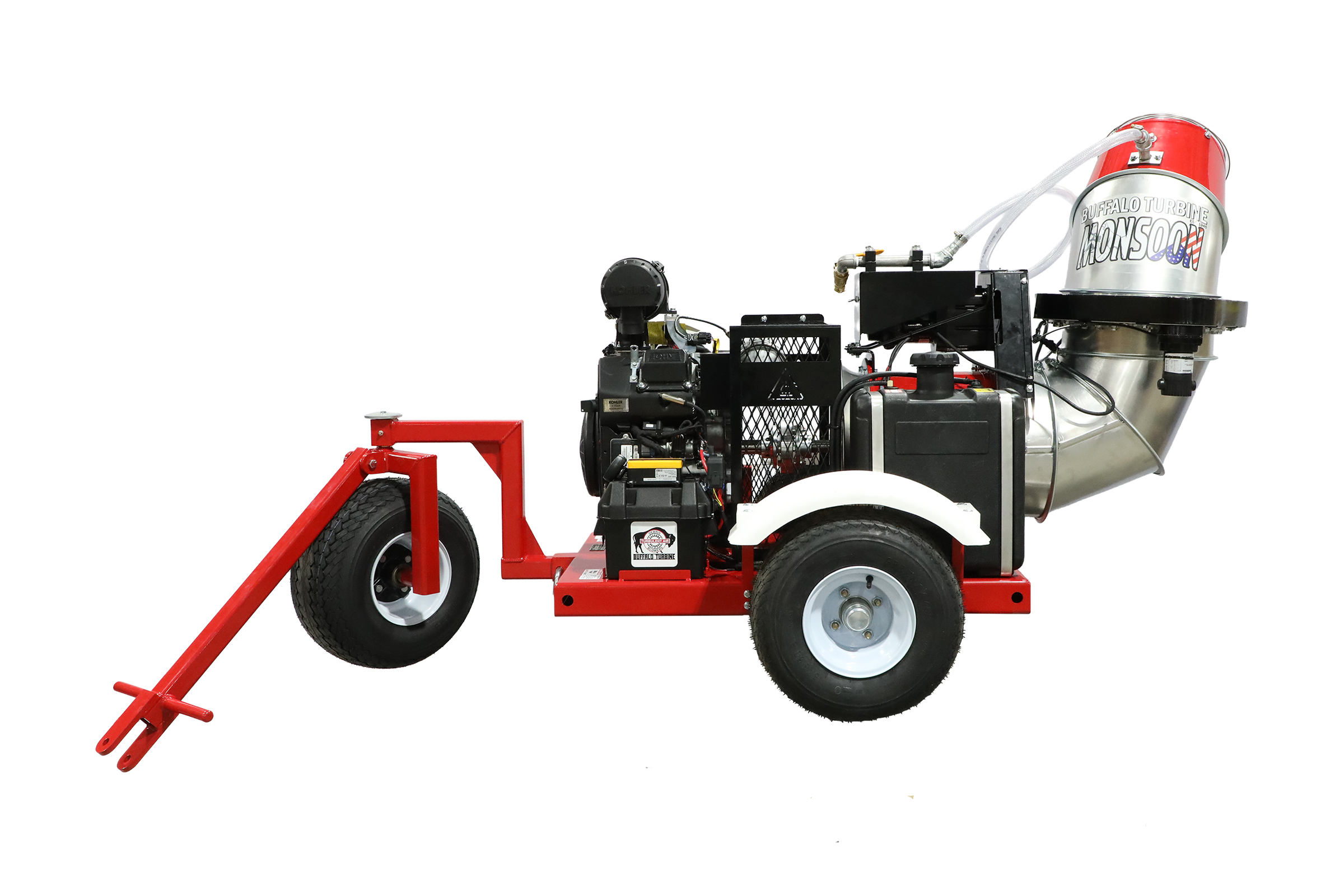
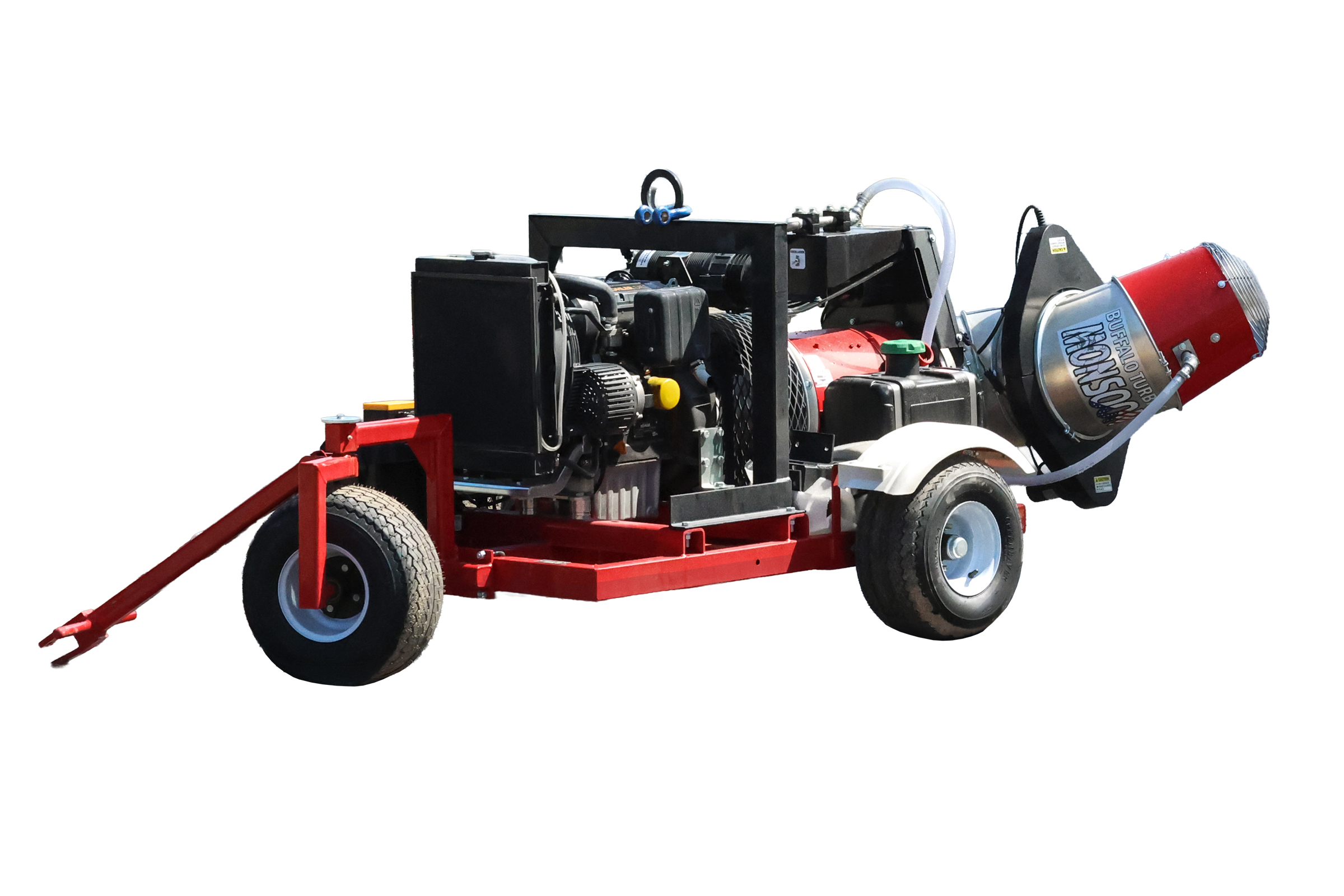
MEGA3 Tow-Behind Debris Blower
Best suited for: longer roadway sections and larger open work areas where a tow-behind setup fits the operation.
The MEGA3 is designed for larger roadway, paving, and municipal cleanup operations that require powerful, controlled airflow over extended areas.
- 40 HP EFI engine with direct-drive turbine
- 360° nozzle rotation with 12-function wireless remote
- Instant idle system for efficient operation
- Heavy-duty frame with retractable hitch for flexible transport
Keep Your Pavement Prep Moving
See how Buffalo Turbine blowers fit your crew, site layout, and cleanup requirements. Compare equipment options or contact our team to discuss an application and request a demonstration.
Frequently Asked Questions
How do crews remove dust and fine millings before paving?
Buffalo Turbine uses directional, high-volume turbine force air to clear loose dust, millings, and debris without relying on traditional sweeping equipment. Crews should confirm the required surface condition and cleaning method for each project.
How can a turbine blower replace traditional pavement cleaning equipment?
Buffalo Turbine debris blowers use concentrated, high-volume turbine force air to clear loose millings, dust, and debris without relying on traditional mechanical sweeping equipment. For suitable pavement preparation applications, one blower can replace multiple cleanup tools, reducing equipment changes and repeated cleaning passes. Compacted or heavy deposits may still require other removal methods, and project specifications govern acceptable cleaning procedures.
What is the difference between a stand-on and tow-behind blower for paving?
The Blitz stand-on configuration offers maneuverability around obstacles and in tighter spaces. A tow-behind model such as the MEGA3 may be a better fit for longer, more open roadway sections. Consider crew setup, access, and transport requirements.
Can Buffalo Turbine blowers help prepare surfaces for sealcoating?
Yes. Turbine airflow can help remove loose debris as part of sealcoating preparation. Contractors should still follow the coating manufacturer’s requirements for cleaning, drying, and surface condition before application.
Can a blower remove millings in a single pass?
Performance depends on material size, volume, moisture, pavement texture, and operating conditions. A turbine blower can move loose millings and debris, but some jobs may require additional passes or mechanical cleanup.
How should crews manage debris around traffic and nearby property?
Use controlled nozzle direction and follow jobsite safety procedures, traffic control plans, and applicable dust-management requirements. Avoid directing debris toward workers, vehicles, pedestrians, or adjacent property.
Are Buffalo Turbine blowers American made?
Yes. Buffalo Turbine blowers are American made in Springville, New York for demanding commercial and municipal applications.